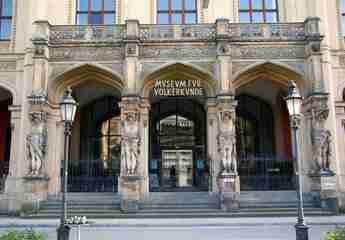
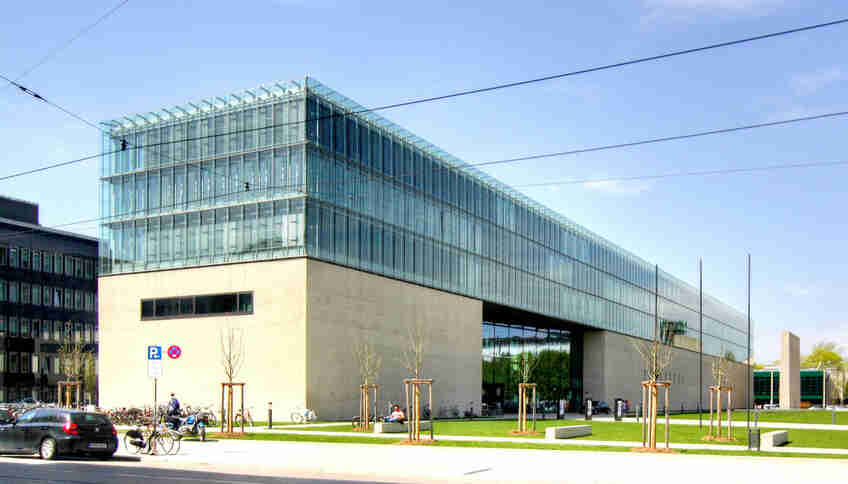
The Museum of Egyptian Art has been operating since 1970, but only in June 2013 was it able to move into its own building on Gabelsbergerstraße. The spacious premises now make it possible to display far more exhibits to the public than before.
The museum's history began with the private collection of the Bavarian duke Albrecht V, many of the exhibits were collected by him in the 16th century. It was later supplemented by acquisitions made by King Ludwig I, who bought works of ancient sculpture while he was still a prince. Many of them were displayed in Munich's Glyptothek.
Today, the Museum of Egyptian Art's collection contains about 8000 exhibits. Among them are such valuable relics as a statuette of Antinous ("Death on the Nile"), the diadem of Queen Amani, combining Egyptian and African motifs, a bowl bearing the name of one of the most famous pharaohs of Ancient Egypt, Thutmose III, as well as a statue of Senenmut, the chief architect of Queen Hatshepsut.
Many of the world's museums specializing in Ancient Egypt exchange their most significant relics with one another. For example, a sculpture of Hatshepsut's head was brought here from New York, and a bowl from the Neolithic period (5th millennium BC) was delivered from Poznan. The museum's pride can be considered an ancient sarcophagus about 2500 years old, and parts of a golden cup that belonged to Ramses II himself.