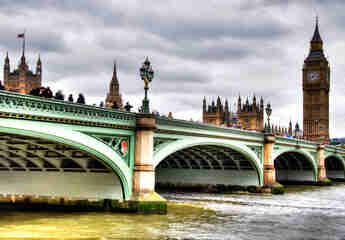
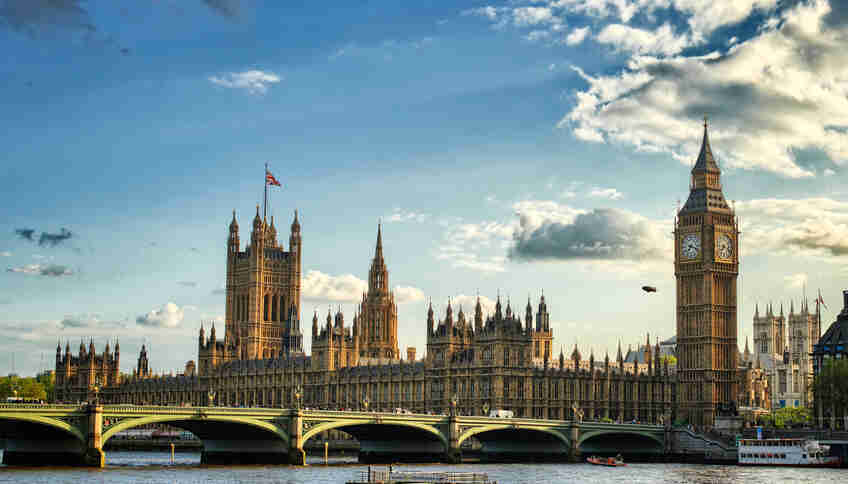
The Palace of Westminster rises above the waters of the Thames. Incredible beauty on such a grand scale makes it the most famous and recognizable of the palaces of Great Britain, and perhaps the whole world. It is like a symphony in stone - monumental, yet at the same time refined.
The Neo-Gothic forms of the palace are beautiful even from afar, and upon closer inspection it turns out that it is entirely adorned with stone lace made up of hundreds of slender turrets, carved decorations, arched windows, and stained glass.
The history began a thousand years ago, when a castle for Edward the Confessor was built on the site of drained marshes. In 1097, Westminster Hall was built - a hall of gigantic size unique for the Middle Ages. In 1265, it was here that the first session of the English Parliament took place, although until the 16th century the parliamentarians met now in the chapel, now in other halls, while the palace remained the residence of kings. In 1529, the building was handed over to the legislative власти, and to this day the fate of Great Britain is decided there in the sessions of the House of Lords and the House of Commons.
The Palace of Westminster has survived many destructions, fires, and even bombings. The palace's present appearance took shape after a major fire in 1835, in which only the hall, the chapel, and a few other buildings survived. The design of the new palace, which contains 1200 halls, five kilometers of corridors, and more than a hundred staircases, was created by architect Charles Barry.