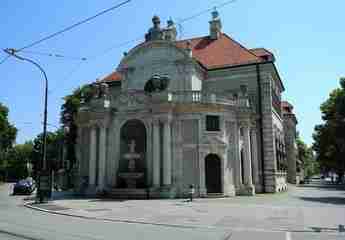
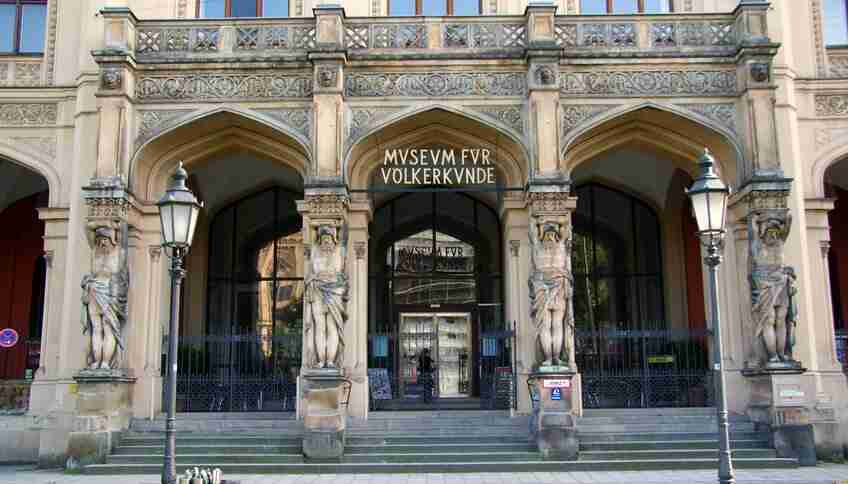
The Ethnographic Museum in Munich is the oldest and second largest in Germany. In terms of the number of exhibits, it is second only to Berlin, but by no means in importance. The collection, founded in 1862, includes more than 160 thousand items related to the history of Germany and other regions of Europe and the world, начиная с древнейших времён.
There are no painters' canvases or works by famous sculptors here; all the art objects are anonymous, since they were created by various ethnic groups over many thousands of years. This makes the museum's collection all the more valuable, because there is nothing more truthful and sincere than examples of folk art and crafts across different eras.
The Wittelsbach dynasty laid the foundation for the collection of ethnographic exhibits: thanks to funding from the ruling elite and the support of the Bavarian Academy of Sciences, expeditions were carried out to South America, and later to the countries of Oceania and other regions of interest to archaeologists and ethnographers.
The local collections are the results of research and archaeological excavations by many scholars, not only German ones, but from all over the world. Three floors of the museum are occupied by valuable exhibits representing various civilizations. Here you can see Native American masks, boats, and clothing, African sculptures, weapons and jewelry, Asian statues, examples of writing, and much more.