
Ignaz Semmelweis is often called the "savior of mothers," because it was he who discovered the reason why thousands of women died after childbirth from so-called childbed fever. The statistics were horrifying: every 10th woman in Prussia was infected and died. It turned out that the cause was the doctors themselves, or rather, the infections they carried on their unsterile hands.
Can you imagine how the entire medical community reacted to this statement by a young doctor (Semmelweis was 29 years old at the time)? All the doctors condemned him; no one even wanted to listen to the idea that childbed fever could be avoided if the doctor simply washed his hands with chlorinated water.
Semmelweis was forced to leave Vienna, where he worked, and return to his homeland - Budapest. He wrote letters to the most eminent obstetricians in Europe, begging and even demanding that they heed his words. But most of these attempts were unsuccessful. He was even placed in a psychiatric hospital!
But when one of the doctors finally tried the method proposed by Semmelweis, maternal mortality in his ward decreased so dramatically that this obstetrician took his own life, realizing how many lives he had ruined with his own hands before that. Gradually, the discovery of Ignaz Semmelweis was recognized all over the world.
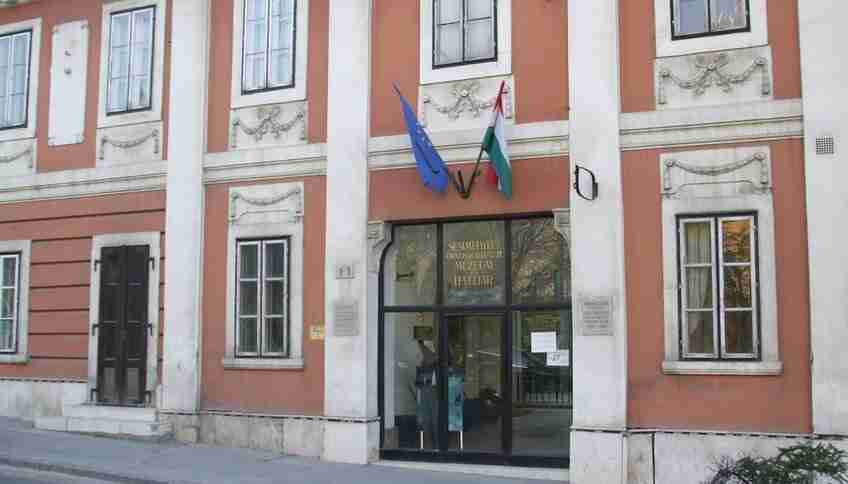
In Budapest, a museum of medical history has been opened; it is located in the same mansion where the innovative doctor was once born. Among the exhibits in the collection, you can see various items used by healers as far back as ancient Egypt. Of particular interest are a 19th-century pharmacy and Semmelweis's own surgical office.