One of the four churches erected during the lifetime of Saint Ambrose is located in the north of the city's historic center. It was built on the site of a pagan cemetery that appeared in Milan as early as the 3rd century. Ambrose himself did not manage to complete the construction of the basilica; the work was finished by his successor - Simplician Sazerini, who was buried here as well. Much later, during the restoration of the building, a brick was discovered indicating that construction work took place between 590 and 615.
In the 9th century, the church came into the possession of Benedictine monks. In 1176, the basilica became widely known thanks to a legend according to which the bodies of the three martyrs buried here flew in the form of doves to the area of Legnano and became symbols of the imminent victory over Barbarossa's army.
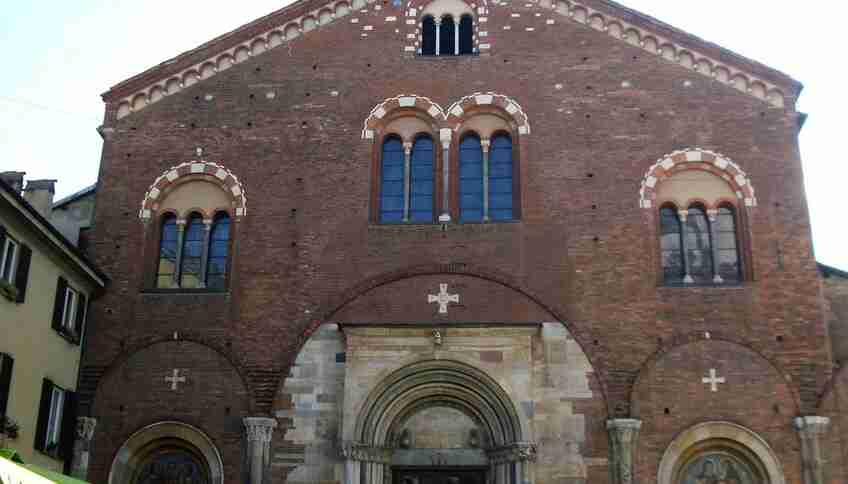
Between the 11th and 13th centuries, the church building was rebuilt in the Romanesque style. In the 16th century, the height of the tower was reduced by 25 meters and the dome was altered.
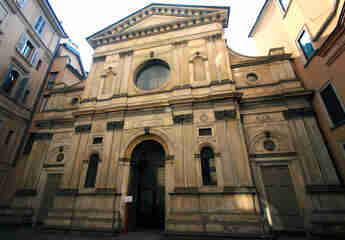
The most notable reconstruction of the building's facade took place in 1870, and in 1927 stained-glass windows depicting scenes from the Battle of Legnano appeared in its windows.
Nowadays, Baroque music concerts are often held in the Basilica of Saint Simplician.