One very interesting legend is associated with this monastery. In the 16th century, a native of Tutaev (at that time it was the town of Romanov-Borisoglebsk) was near Kazan on his trading business. It is known that his name was Gerasim, and that he had an injured hand.
And then one day Gerasim had a dream in which the Most Holy Theotokos appeared to him. She told him that he would be healed if he went to a certain shop and bought an icon there, and then took it to Romanov and built a church there. Gerasim found that shop and purchased the specified icon. And when he took the image with his right, injured hand, a miraculous healing occurred. In gratitude, he of course took the icon to Romanov-Borisoglebsk, as the Mother of God had asked. This was in 1588. The icon remained there for 21 years, showing the world many miracles.
In May 1609, Romanov was besieged by the Poles. To protect and preserve the icon, Lieutenant Yakov Lyubsky took it to Yaroslavl. Local residents knew about the miraculous power of the image and believed that it was precisely this icon that later helped the city withstand the 24-day siege. In gratitude, they erected a wooden church in honor of the icon, and built cells around it to house the nuns from the burned monastery.
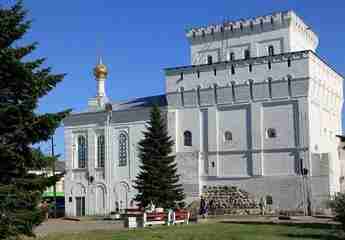
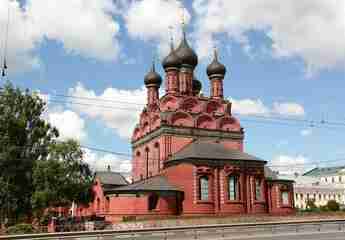
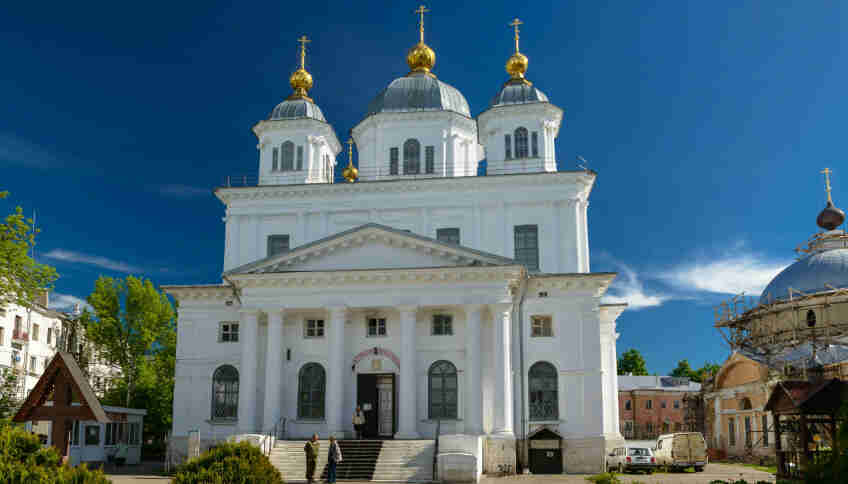
In 1649, construction began on the stone Cathedral of the Kazan Mother of God. Later it was rebuilt, dismantled, and erected again more than once. In Soviet times, the monastery was abolished, and the cathedral was converted into an archive. Only in 2001 did services begin there again.
Now it is one of the most revered churches in Yaroslavl. It houses the relics of St. Agafangel (Preobrazhensky). But the fate of the legendary icon, unfortunately, remains unknown: a copy of it now hangs in the cathedral.