The history of Петропавловской крепости is connected not only with the royal family and the formation of Russian statehood. It earned the nickname “Russian Bastille,” because many historical figures, statesmen, freethinking writers, and opponents of the ruling authorities passed through the local prisons.
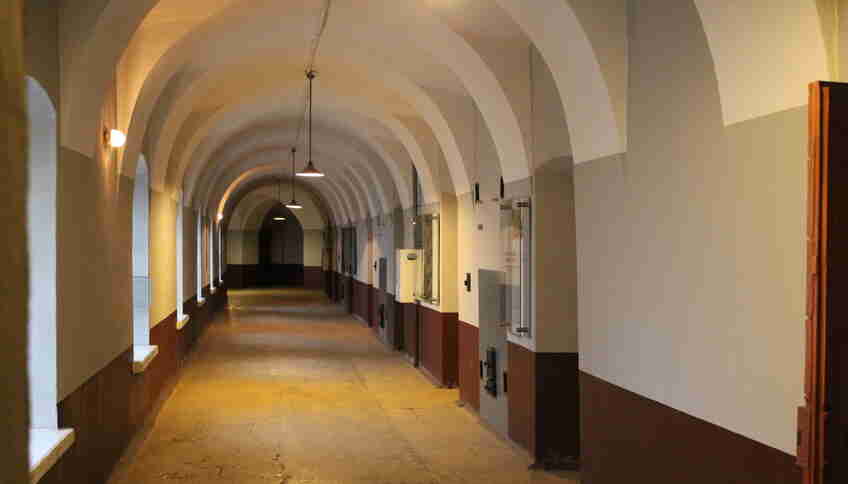
In the XVIII century, prisoners were held in casemates located in the fortress curtain walls. By 1870, a separate prison building was constructed, for which the inner walls of Трубецкого бастиона were dismantled. It contained about 70 solitary cells for political prisoners who were kept here while under investigation. The regime for opponents of the authorities was very strict: they were forbidden to communicate with other inmates, have visits and correspond with relatives, and were given no books except the Bible.
In 1917-20, the prison of Трубецкого бастиона held and executed people close to the royal family. Excavations carried out in 2010 uncovered mass graves of victims from that time.
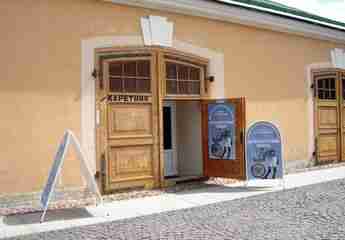
Since 1924, the prison has become a museum where visitors can see former cells and casemates, and walk through corridors that remember the suffering of hundreds of people. The impression of the tour is enhanced by reconstructions of the everyday life of prisoners and warders, the personal belongings of former inmates, and plaques with their difficult biographies.