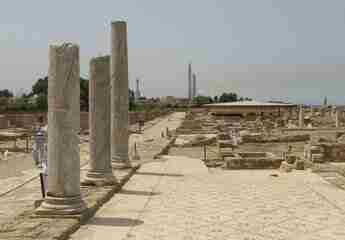
The bustling port and prosperous city of Caesarea declined after it was captured by the Arabs. The townspeople fled, abandoning their homes, and ships stopped calling at Herod the Great's magnificent artificial harbor.
Only in the 9th century, when the development of seafaring in the Arab world reached a new level, did demand for seaports emerge, and Caesarea was reborn. Fortifications were erected around the city to protect Arab possessions from conquest. But the fortress walls did not help the Arabs, and in 1101 the Crusaders captured the city during the First Crusade.
The pilgrim knights immediately set about further fortifying the port they had acquired, for wars of conquest were waged constantly in those days. The main part of the fortified medieval city was built by order of King Louis IX. The king had previously been captured by the Saracens in Egypt and was held hostage until he paid a huge ransom. After this mishap, Louis ordered all Crusader positions, including Caesarea, Jaffa, and Sidon, to be thoroughly fortified.
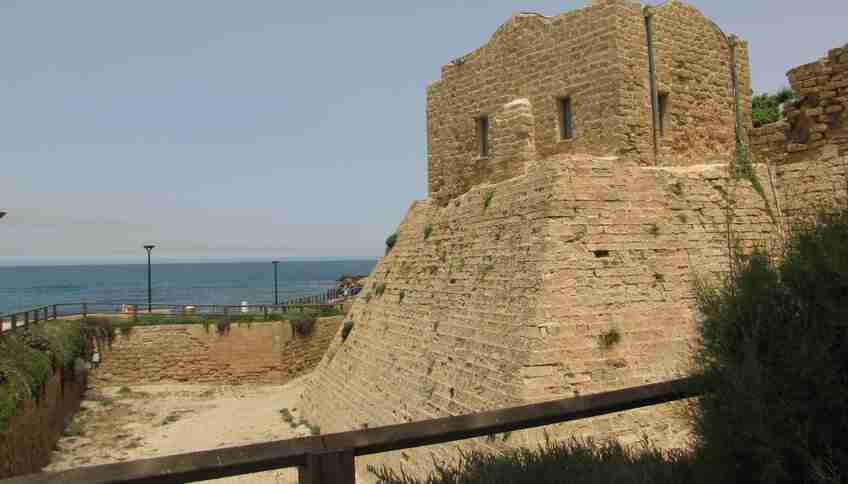
Caesarea was surrounded by a high and wide wall 1.6 kilometers long. On the outside of the wall there was a deep dry moat, to which narrow hidden passages led. Towers rose on the wall: from them, boiling oil was poured on the attacking enemy and stones were hurled down.
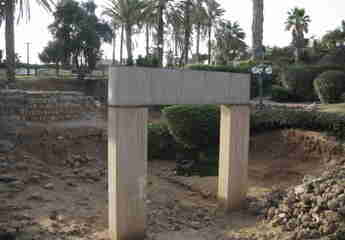
The remains of the fortifications and the Crusaders' gate have survived to this day, despite the fact that they did not stop the Mamluks in 1265 and Caesarea once again changed hands.