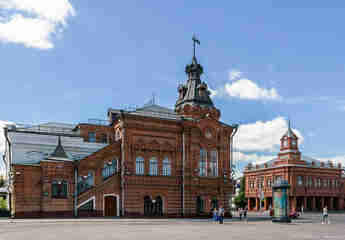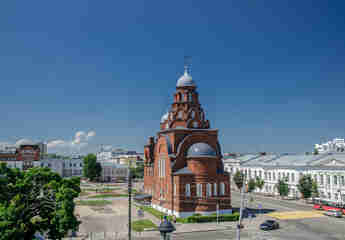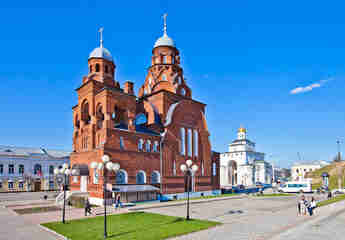
The Vladimir theater has a long and vibrant history. Founded in 1848, it served as a stage for the brightest stars of Russian theatrical art. At various times, such luminaries of the stage as Lensky, Fedotova, Pravdin, and other famous actors of the pre-revolutionary era performed here.
Thanks to the wife of the leader of the local nobility, Ogarev, the city acquired its own troupe, recruited from graduates of the country's best theater schools. Very soon, the Vladimir theater was already touring across Russia, including the capital.
In 1934, it was given the name of Lunacharsky, and the repertoire shifted from classical productions based on Chekhov and Dostoevsky to revolutionary plays about Red Army soldiers and proletarians. During the Great Patriotic War, performances were suspended, as most of the actors went to the front.
The postwar revival of the Vladimir Drama Theater gave Russia the great actor Yevgeny Yevstigneyev, who began his path to fame on this very stage.
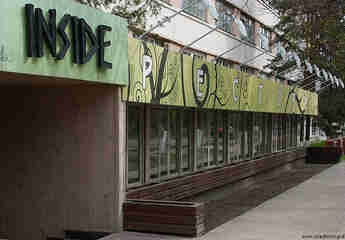
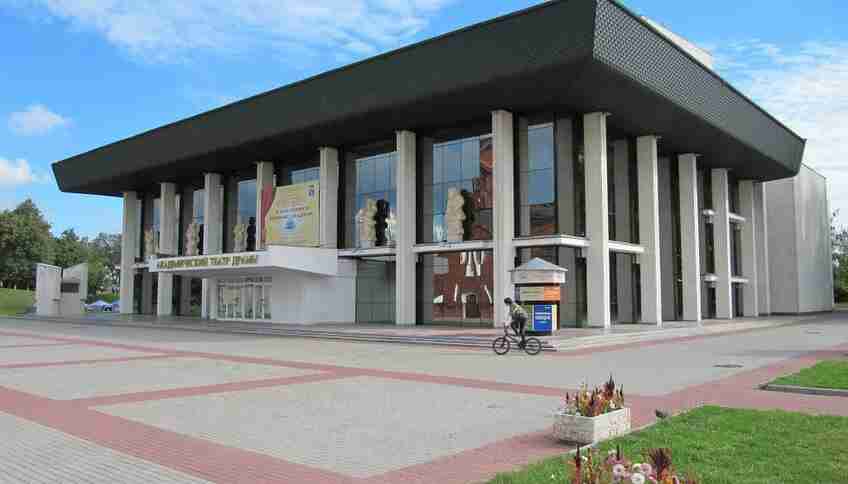
At the beginning of the 70s, the drama theater moved to a new building, for whose design its architects received the State Prize. Innovative for its time, the structure of glass and concrete looks translucent and airy, and along the facade, at the level of the second floor, it is decorated with six sculptures of skomorokhs and musicians.