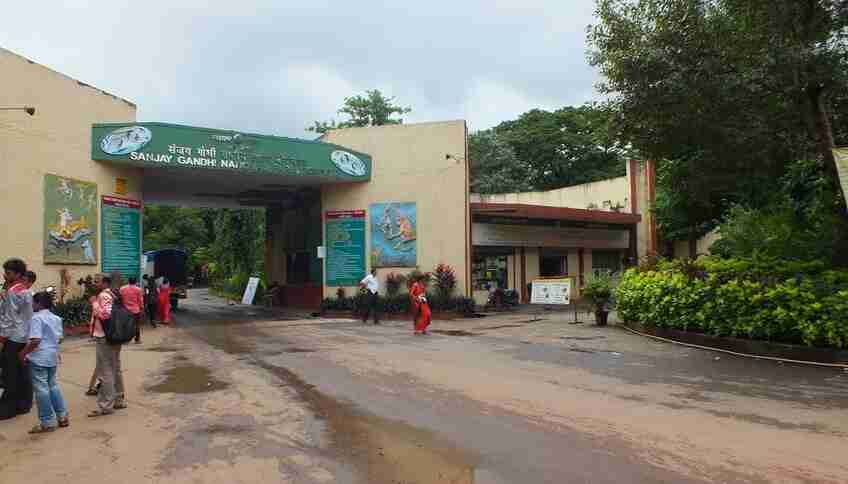
For the western capital of India, Sanjay Gandhi National Park is a breath of fresh air, both literally and figuratively. This park, adjoining the northern border of Mumbai, is the lungs of the noisy and dusty modern metropolis.
Until 1969, the park was called Krishnagiri and covered a modest area of 20 sq. km, but after the decision was made to expand the territory, it increased to 104 sq. km. The park was given the name Sanjay Gandhi in 1981, after the death of Indira Gandhi's son in a plane crash.
The place where the park lies has an ancient history: as early as the 4th century BC, there were two trading settlements nearby — Sopara and Kalyan, with a road running through the forest between them. That very forest is the ancient past of the modern park.
Several thousand species of plants grow in the park — shrubs, trees, and flowers. There are especially many mallows here — more than 800 species. The fauna is represented by 40 animal species — you can see deer, porcupines, monkeys, as well as predatory leopards and tigers.
In addition, crocodiles live in the local lakes Vihar and Tulsi, so swimming and even approaching the bodies of water closely is not recommended. There are also several hundred bird species here and a huge number of insects, many of which are rare.
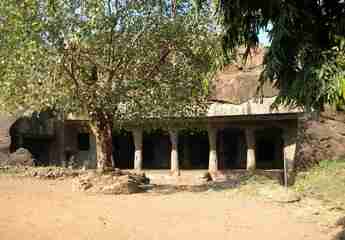
One of the park's important attractions is considered to be the Kanheri Caves, dating back to the 3rd century BC, which served as a pilgrimage site for Buddhists.
Visitors are offered sightseeing routes, safari trips to see lions and tigers, rock-climbing activities, boat rides on the river, and many other pleasant activities.