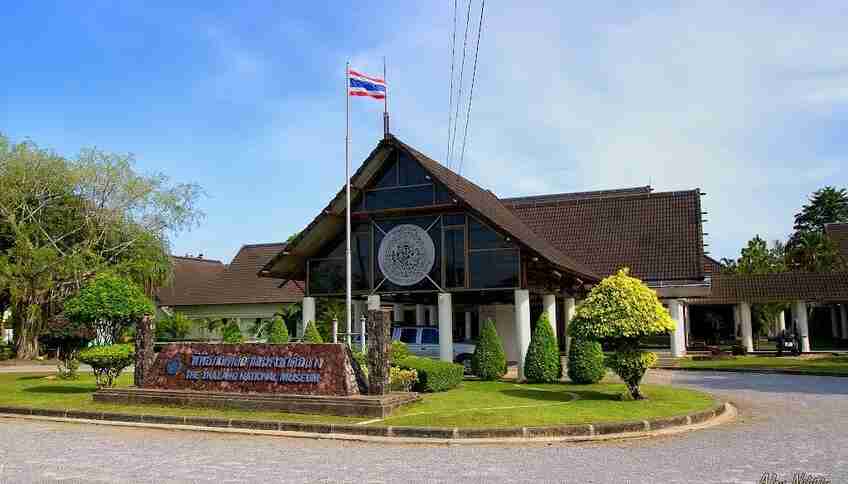
The national museum, opened in Thalang in 1985, tells the story of the development of Thailand and Phuket. You will see how the daily life and traditions of the Thai people changed over the centuries, how the culture of Thailand developed, and learn about the battles for the country's independence and its national heroes.
The two buildings of the National Museum house historical, archaeological, and ethnographic exhibitions. Artifacts found during excavations and recovered from the bottom of the Andaman Sea reflect the early history and way of life of Phuket province.
The most valuable exhibit in the museum is a statue of the god Vishnu, carved from stone around the 9th century AD and beautifully preserved to this day. This ancient statue, along with several other valuable but only partially surviving statues and their fragments, highlights the influence of Indian culture and religion on the formation of Thailand's culture.
In addition to antiquities and artifacts, the museum has halls with vivid dioramas depicting scenes of battles between the Thai people and numerous invaders, as well as everyday scenes from the lives of the various ethnic groups inhabiting the country. One of the most important exhibitions is dedicated to the local heroines, the sisters Chan and Muk, who saved their province from a Burmese invasion in 1785.
A separate exhibition is devoted to the event considered the deadliest natural disaster of modern times - the 2004 tsunami. This display is located outside in front of the museum; it includes recreated traditional Thai dwellings, fragments of boats, and personal belongings recovered from the sea after the tsunami. The symbol of the exhibition is a monument depicting a soul leaving a destroyed body.