There is a beautiful legend: on the night before the birth of the Great Buddha, a white elephant appeared in his mother's dream and presented her with a lotus — a symbol of purity and knowledge. Since those distant times, among the rulers of Eastern countries it has been considered good form to own these rare animals.
In Thailand, all white elephants belong to the monarch by default: as soon as one is found, it is immediately taken to the royal elephant stables. A special naming and dedication ceremony is held for each of them to become a “royal elephant,” called Phraya Chang-ton or Nang Phraya Chang-ton, depending on the animal's sex.
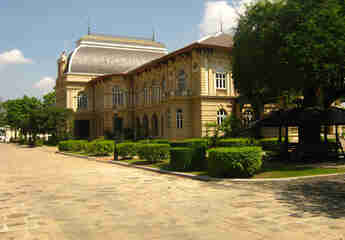
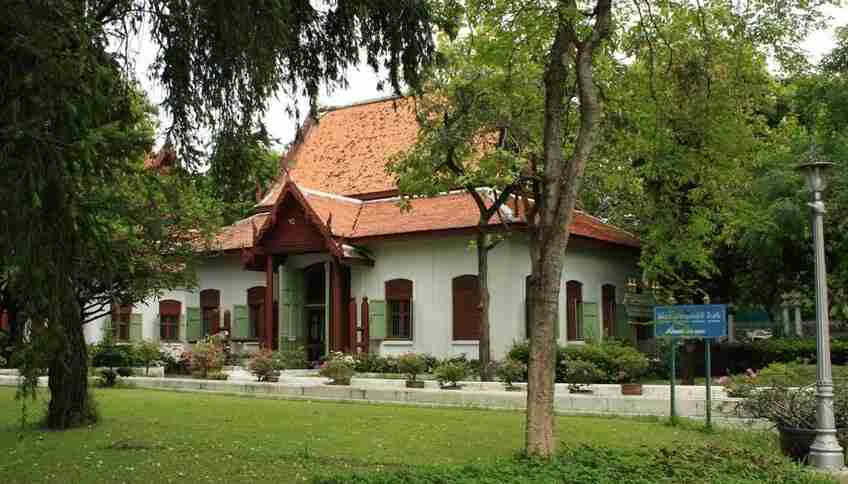
The National Museum of the Royal Elephant, or the Chang-ton Museum, is dedicated to the history of royal elephants and the colorful ceremonies involving them. The museum features two themed collections: one is devoted to royal ceremonies and rituals associated with elephants, while the second describes the life of white elephants themselves — how they are found and captured, how they live, and what they eat.
Interesting facts about these sacred animals are presented separately. For example, in English the expression “white elephant” denotes an item that bankrupts its owner, or a deal whose costs exceed its profits. In olden times, if an Eastern monarch wanted to spite someone, he would give that person a white elephant. Sacred animals must never work, and they require special care and food, so a person who had fallen out of favor with the king would simply be ruined by the upkeep of the exotic giant.