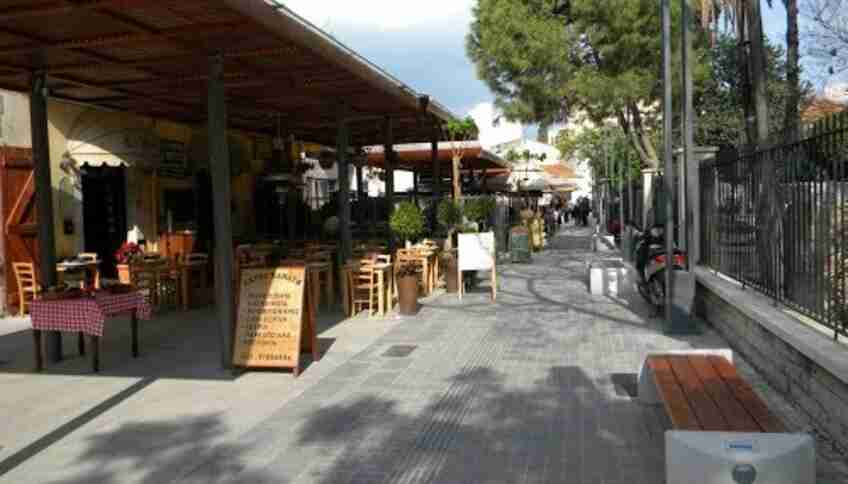
Limassol is conventionally divided into two parts: the historic quarter and the resort area. In the resort area, you are unlikely to feel that inimitable spirit of antiquity that reigns in the Old Town. Narrow winding streets, picturesque houses with elegant balconies, as well as architectural monuments that are already several centuries old, will leave a lasting impression.
For example, the 12th-century Limassol Castle, where King Richard the Lionheart was married to his future wife. It now houses a museum whose collection includes genuine knightly armor, swords, spears, shields, as well as antique ceramic and metal objects dating back to the 4th century.
Behind this fortress is the carob museum. In it, you can see the equipment that was used at the beginning of the 20th century to process the pods of this tree. Admission to the museum is free; you can drop in at any time and learn many interesting things about this amazing plant.
It turns out that all carob seeds have the same weight - 0.2 g, and therefore were used as a standard as far back as the Roman Empire. Their name is known today to every person who loves jewelry - carat.
While walking around the Old Town, you can easily come across an art gallery or an icon-painting workshop, see several minarets that remain from the times when Turks lived here, and even abandoned Turkish houses. In short, a fascinating walk is guaranteed; just bring water, hats, and sunscreen.