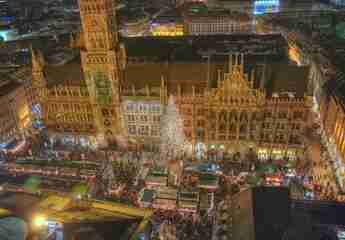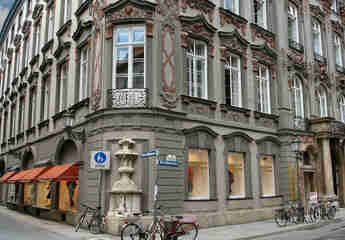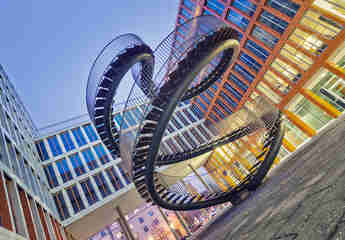
As early as 1928, the idea of a museum dedicated to the Jewish people began to take shape in Munich. The plans were disrupted by the National Socialists coming to power in Germany in 1933 and the war that followed. After the Nazis destroyed the modest collection of Jewish antiquities in 1938, the initiators of the museum were forced to leave the country that had become hostile to them.
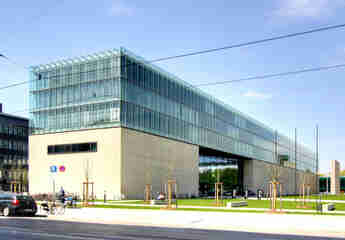
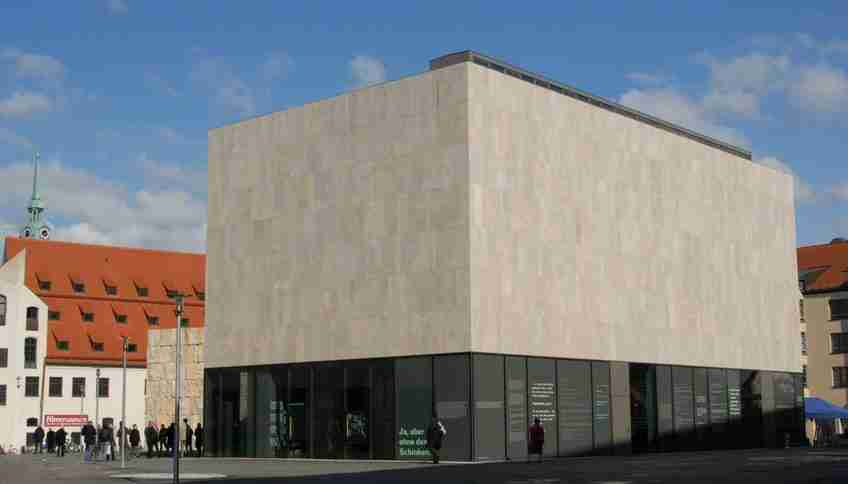
From 1989 to 2007, the collection was recreated in the form of small exhibitions, and in 2007 the full-fledged Jewish Museum was opened. Its building is quite original – it consists of two connected cubes, one of which is transparent. The project was designed by architects Rena Wandel-Höfer and Wolfgang Lorch.
The museum’s collection is a gathering of images, sounds, and installations united in a single flow, in which you can feel immersed in history and hear voices telling about the life and death of representatives of the Jewish people. The exterior and interior minimalism of the building is intended to show the public the transparency and openness of the traditions of Munich’s Jews. The museum’s goal is not so much education as a desire to lead visitors toward an understanding of the causes and consequences that shape various historical events.