Trip to London
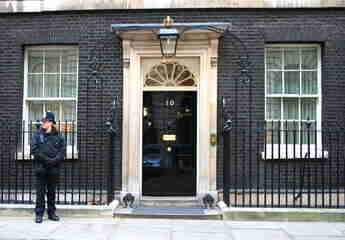
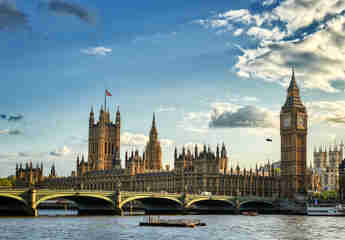
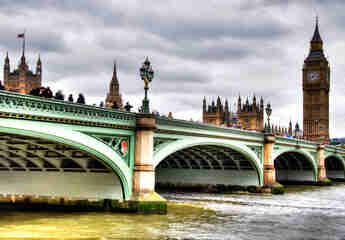
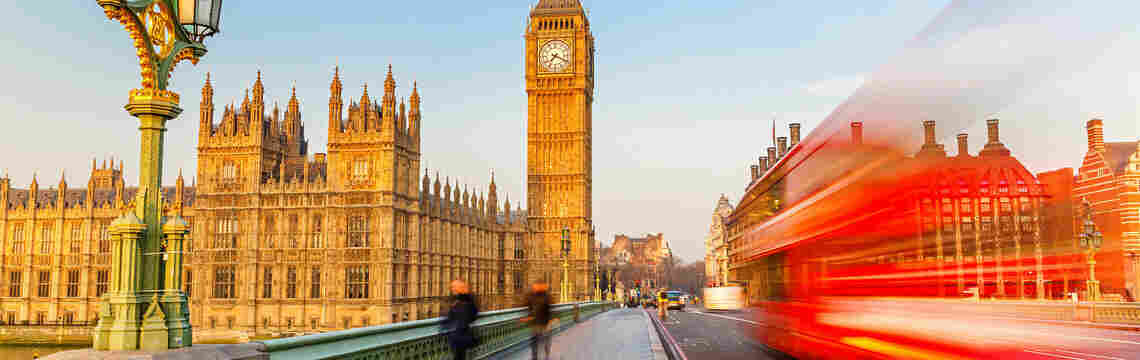
London draws tourists like a magnet. Everyone wants to see the red double-decker, the red telephone box, Her Majesty’s guard in a bearskin hat, the wax figures at Madame Tussauds, the Tower, and Big Ben – all the things we heard about in school under the heading “London is the capital of Great Britain.”
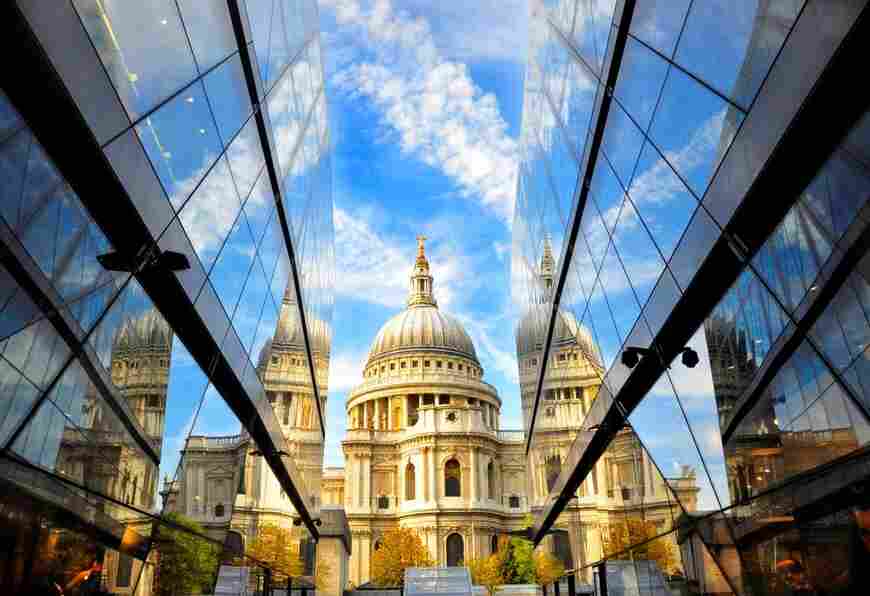
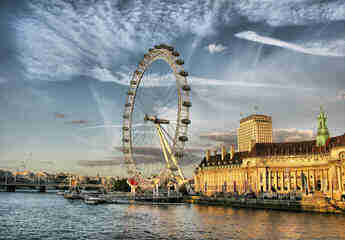
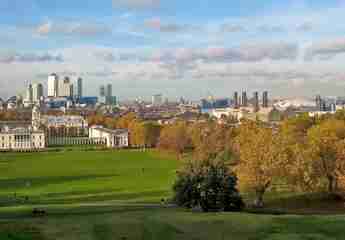
But the real London is not a textbook illustration come to life. Historic buildings stand beside ultra-modern skyscrapers and plain apartment blocks, luxury shops beside flea markets, and formal restaurants beside unpretentious pubs. In this vast metropolis there is room for a historic center, ordinary working-class neighborhoods, and ambitious new landmarks such as the London Eye and the Millennium Dome. A trip to London, one of the world’s most unusual, dynamic, and expensive cities, will live up to all your expectations and almost certainly surprise you.
How to Get to London?
Because the United Kingdom is an island nation and lies quite far from Eastern Europe, the most sensible way to reach its capital is by plane. From Moscow airports, several airlines offer direct flights to London: Transaero, Aeroflot, British Airways, and easyJet. Flight time is about 4 hours. From St. Petersburg, only British Airways flies direct, reaching London in 3.5 hours. Connecting options are available with Aeroflot, Transaero, S7 Airlines, UIA, airBaltic, Finnair, SAS, and many others. From Kyiv, nonstop flights to London take about 3.5 hours, with direct options from WizzAir, Ukraine International Airlines, and British Airways.

The sheer number of flight options can confuse both first-time tourists and seasoned travelers. Aviasales.ru is a convenient site for finding the right flight at the best price. It offers a huge, well-organized database of available flights and fares. Aviasales also frequently posts information about promotions, discounts, and airline special offers. For more on how to buy the cheapest flights to London, read Ever.Travel’s tips.
Where to Stay in London?
The British capital is conventionally divided into 32 boroughs. Twelve of them make up Inner, or Greater, London – the historic center – while the other 20 are former outskirts that gradually became part of the city.

Map of London’s boroughs
Hotels in London are quite expensive, and public transport is pricey as well. So if your goal is to visit the main sights, it makes sense to stay in the boroughs that belong to Greater London. In this case, choosing a hotel far from the center to save money does not always work, because you may spend the difference on transport and lose 1.5 to 2 hours every day. So which part of London is best for your stay?
The City
The City deserves a special mention. City of London is not one of the 32 boroughs but a separate district of the capital with special privileges. It is the true heart of London, founded within the boundaries of ancient Roman Londinium. Today it is the largest financial center not only in Britain but in all of Europe. Attractions here include St Paul’s Cathedral, the Monument to the Great Fire of London, the London Stock Exchange, and the Mary Axe skyscraper. Staying here is expensive and only really worth it if you want to feel the city’s business pulse or are visiting for work.

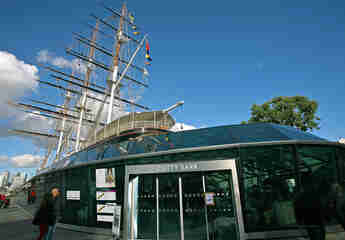
Fraser Residence City is a 2-minute walk from Monument Underground Station. St Paul’s Cathedral and the One New Change shopping center are both just 15 minutes away on foot.
Westminster
West of the City lies the historic district of Westminster, home to some of London’s most famous landmarks: Big Ben, Westminster Abbey, Buckingham Palace, and Trafalgar Square. Westminster itself is divided into several well-known neighborhoods. Covent Garden is famed for its theaters and street performers. Soho is the center of nightlife, packed with pubs, bars, shops, and restaurants. Chinatown is popular for its Chinese eateries and massage parlors. Mayfair and Marylebone are prestigious and very fashionable areas.

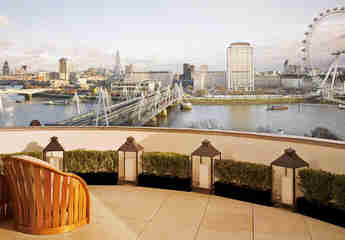
The May Fair Hotel, founded by King George V in 1927, stands in the heart of Mayfair, surrounded by parks, theaters, and London landmarks.
You can choose one of these neighborhoods or stay around Paddington Station, an area considered the best balance of price and location. There are plenty of hotels and hostels here in every category, so everyone can find something suitable.

Hotel Indigo London-Paddington is just 200 meters from Paddington Station, a 10-minute walk from Hyde Park, and 15 minutes from lively Oxford Street.
Tower Hamlets
East of the City lies a district whose name literally means “the hamlets by the Tower.” It is easy to guess why: this is where the famous Tower of London stands – along with the equally famous Tower Bridge. Accommodation prices vary here, but by London standards you can still find fairly budget-friendly options. Combined with its closeness to the center, that makes Tower Hamlets a smart choice.

Go Native Aldgate East Apartments are a 10-minute walk from Aldgate East Underground Station. The Tower can be reached on foot in 15 minutes.
You can also stay a little farther out – in Kensington and Chelsea, Islington, or Greenwich. It all depends on your budget and your hotel preferences. The easiest place to find the best option among hundreds of offers is Booking.com. It provides a comprehensive database of hotels with detailed information: photos, location, services, and guest reviews. After reading our Booking.com overview, you will be much more likely to make the right choice.
We also recommend our travel expert Anatoly Selyaninov’s selection of London hotels, apartments, and hostels.
UK Visa
The United Kingdom is not part of the Schengen Area, so visiting the country requires a national visa. It is considered one of the hardest visas to obtain in Europe because consular staff scrutinize every document and often refuse applications for reasons that are hard to explain. Once issued, the visa allows you to stay in the United Kingdom for up to six months, with unlimited entries during that period.

Because getting a British visa can be complicated, it is best to start dealing with it several weeks before your planned trip to London. First, visit the UK Visa Application Centre website in Russia, create an account there, and then follow the instructions. The same applies to Ukrainian citizens: the procedure is the same, with registration on the UK Visa Application Centre website in Ukraine, and so on.
The VisaToHome service can provide invaluable help in getting a UK visa. Even if you are sure your documents are in order, applying to the British consulate on your own can still end in failure. In that case, VisaToHome can be your best ally. From the initial consultation to the visa itself, you work with highly qualified specialists who know every nuance and hidden pitfall. Best of all, you hardly need to do anything: the VisaToHome team will fill out the required documents and deliver your passport with the coveted stamp right to your door.
How to Get from London Airport to the City
London is served by 6 airports, two of which – Heathrow and City – are located within the city limits. Most international flights arrive at Heathrow (London Heathrow Airport), the busiest airport in Europe. It is connected with the city center by:

Of course, the easiest option is not to figure out public transport at all but to order a taxi. Better yet, instead of just trying to catch one on the spot, book it in advance on KiwiTaxi. A pre-booked transfer guarantees that someone will meet you at the airport, seat you in a comfortable car, and take you quickly to the right address. You also know the exact fare in advance, which is one of the most important factors when ordering a taxi.
Car Rental in London
Renting a car in London itself usually does not make much sense – there are simply too many restrictions on entering different parts of the city. But for exploring the surroundings or travelling around Britain, why not? Just remember that England drives on the left, speed-limit signs are in miles, and the police are strict with violators. Still, if you are confident behind the wheel, go ahead and book a car in London through RentalCars.com. The selection is wide, the price range is broad, and you are sure to find something that suits both your taste and your budget. Read more about RentalCars.com in our review.
City Transport in London
Public transport in London is quite expensive even by comparison with other European capitals. Fares are tied to six tariff zones.

London transport zones
A standard single ticket costs £2.40. All forms of transport accept the Oyster Card, a single travel pass that significantly lowers the cost of each ride. You need to pay a £5 deposit when buying the card. For £13.1, you can get a one-day Oyster Pay-as-You-Go pass for zones 1 and 2.
The Visitor Oyster Card London is a prepaid card that lets you use all forms of public transport for £15 a day. For £25 you can buy a card with £20 on the balance, for £35 one with £30, and so on.

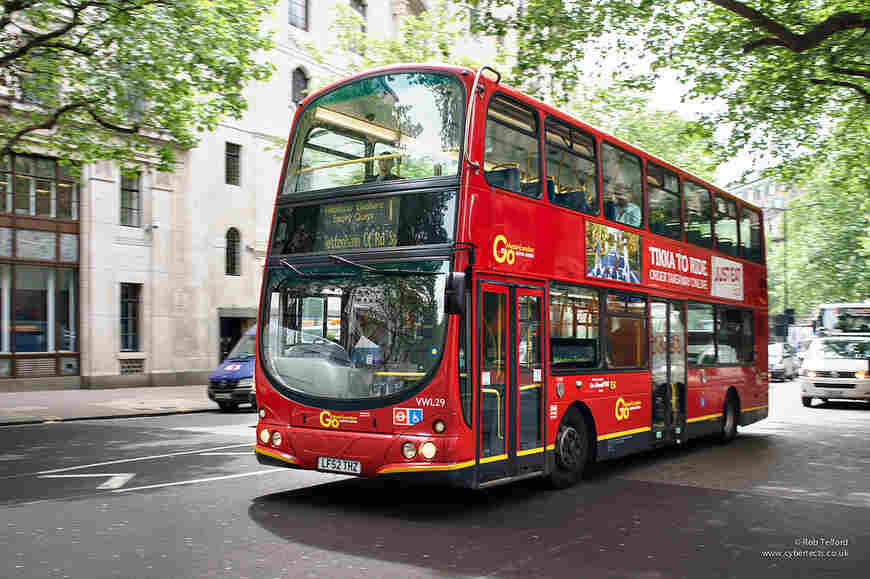
The red double-decker bus is one of London’s most recognizable symbols. There are about 700 routes in the city, including 50 night routes marked with an N before the number. A single ticket costs £2.4 (£1.4 with an Oyster Card).
The London Underground – “the Tube,” as it is popularly known – is the oldest in the world. It celebrated its 150th anniversary in 2013 and today has 11 lines and 270 stations. A single ride costs £4.9 (£2.9 with an Oyster Card).
London also has the Docklands Light Railway, the Overground, trams, and river buses, but most tourists do not use them because they mainly connect outlying districts and bypass the city center.
Bike Rental in London

The so-called Boris bikes are named after London mayor Boris Johnson, who launched the public bike-share system in 2010. Today the city has more than 550 Barclays Cycle Hire docking points where you can pick up or return a bike. You need a bank card to register. Access costs £2 for one day or £10 for 7 days. The first 30 minutes are free; after that, every additional 30 minutes costs progressively more: £2, £4, £6, £10, and so on.
Tours in London
Ever.Travel’s trip planner will help you understand which attractions are best to see and in what order. Plan your London trip on the interactive map by marking the places you want to visit and spreading them across several days. Then download the free Ever.Travel mobile app and sign in with the same account you use on the website. Your plans will sync between the web version and your smartphone, giving you a personal multimedia guide that fits in your pocket and works even without an internet connection – especially useful when roaming.

Do not like planning? Use these ready-made walking routes in London:

Tested personally: the longer you explore London, the more you want to learn about it. If you want to discover lesser-known corners of the English capital or see the city from an unexpected angle, take a look at Excursiopedia. It offers a wide variety of interesting and original tours. On each one, a professional guide will accompany you and tell fascinating stories about London’s past, present, and even future. Here are a few excellent examples:
Mobile Service and Internet in the UK
London has plenty of places where you can connect to the internet for free – cafés, restaurants, shopping centers, and even some Underground stations. There are even trash bins with Wi-Fi. Keep in mind that many free networks require registration.
For mobile internet, you can buy pay-as-you-go SIM cards from British carriers. For example, Three mobile offers unlimited internet, 3,000 messages, and 300 minutes of calls for £15. Orange offers, for £10, either 400 texts and 1 GB of data, or 60 minutes of international calls, or 100 minutes of local calls plus 100 texts. Similar options are available from Vodafone.
Shopping in London
London is one of the world’s fashion capitals and a true mecca for shopping lovers. Prices here, however, are far from cheap. The main shopping streets are Oxford street (upscale European brands), Regent street (everything from major department stores to small toy shops), Carnaby street (fashionable youth clothing), and King's road (indie stores and avant-garde designer boutiques).
The districts of Picadilly (department stores, big bookshops, souvenirs), Knightsbridge (luxury department stores and boutiques), and Covent Garden (affordable clothes and shoes from popular brands) are also well known for shopping.

In central London, almost all shops are open Monday through Saturday from 10:00 to 18:00, while large department stores stay open until 19:00 or 20:00. In busy tourist areas, shops may also open on Sundays. That is when street markets – Portobello, Borough, Brick Lane, and Covent Garden – are in full swing. Sales in London take place twice a year, in early January and in July.
English Cuisine
“Porridge, sir!” is the first thing that comes to mind when British cuisine is mentioned. Indeed, porridge is an essential part of an English breakfast, along with bacon and eggs, sausages, toast with jam, and orange juice. Fish and chips are eaten at any time of day or night: breaded fried fish with chips and pickles is a beloved national fast food.
Meat appears in almost all traditional dishes. Shepherd's pie, also known as cottage pie, is a casserole of mashed potatoes and minced meat; suet pudding is veal kidneys or meat baked in a special dough; and a Cornish pasty is a flaky pastry filled with beef and vegetables.

Do not forget roast beef with Yorkshire pudding. They are cooked together: a large piece of beef is roasted on a rack, while tins of special batter are placed underneath so the sizzling meat juices drip into them. After lunch – from three to five – comes traditional tea time, with sweet puddings and scones for dessert.
In restaurants, a tip of 10 to 15% is customary. Taxi drivers also usually get about 10%, but in pubs people generally do not tip at all.
History of London
In AD 43, the ancient Romans founded the town of Londinium, a name said to mean “wild place.” Constantly repelling attacks by the Britons, the settlers built and developed the city, and by the year 100 it had become the island’s trading center and capital. In the 5th century, however, the Romans left Britain, abandoning the prosperous city to the native population.
In the middle of the 6th century, these lands were seized by the Saxons, who brought Christianity with them. For another five centuries after that, London changed hands again and again, belonging alternately to Vikings and Anglo-Saxons.
In 1066, the Norman duke William the Conqueror became the first king of a united England. He created an army and a fleet, carried out the first land survey, established laws, and launched a period of active construction – including the Tower. His successors continued the work, and London gained the Palace of Westminster and a stone bridge across the Thames, which remained the only bridge there until 1739.

By the beginning of the 14th century, London’s population had exceeded 80,000. Even after the plague epidemic that cut the number of residents almost in half in the middle of that century, the British capital recovered quite quickly – such was the city’s economic and political importance.
In the 15th to 17th centuries, London’s position was unprecedented: thanks to trade with Russia, North America, and South America, it grew rich at an astonishing pace. The founding of the East India Company in 1600 also secured its dominance in colonial trade.
The city’s development could not keep up with population growth: poor sanitation and overcrowding caused repeated plague outbreaks in the capital. In 1665, the disease killed 60,000 people. Almost immediately afterward, another disaster struck: the Great Fire of London in 1666 destroyed 60% of the city in three days, though fortunately the human death toll was relatively low.

Rebuilt by the beginning of the 18th century, London looked very different from the old city: wooden houses were replaced by stone ones, new districts appeared, the number of port docks increased, and beautiful churches and palaces were erected. International trade – especially imports of sugar, tea, tobacco, and silk – brought a steady flow of money.
In the 19th century, London was the largest city in the world, with a population of more than 6 million people. The railway arrived here in 1836, and in 1863 the world’s first subway opened. The Great Exhibition of 1851 was a huge success. But life in the dazzling capital had another side: millions of people lived in unsanitary slums, struggling just to get by. In the summer of 1858 came the “Great Stink,” caused by the city’s waste being dumped straight into the Thames. Only after that did London get a sewer system.
The two World Wars caused great damage to the city, yet by the middle of the 20th century London had regained its economic and political standing and had also become a trendsetter in culture and the arts. “Swinging London” reshaped ideas of style and set the tone for musicians, artists, and designers for years to come.

Good to Know:

Holidays and days off:
Bank holidays, meaning official public holidays:
– January 1 – New Year’s Day
– Good Friday and Easter Monday
– The first Monday in May – Early May Bank Holiday
– The last Monday in May – Spring Bank Holiday
– The last Monday in August – Summer Bank Holiday
– December 25–26 – Christmas
Not public holidays, but widely celebrated:
– February 14 – Valentine’s Day
– March 22 – Mother’s Day
– April 21 – The Queen’s Birthday
– The second Saturday in June – The Queen’s Official Birthday
– October 31 – Halloween
– November 5 – Guy Fawkes Night / Bonfire Night

You could talk about London forever, but it is time to take action! The interactive attraction map lets you mark the places that interest you, and all your routes will instantly appear on your smartphone after you download our free mobile app. To learn how easy and convenient it is to plan a trip to London with Ever.Travel, read more…
Photos used in this guide: Shutterstock, Booking.com, Flickr Biffo1944, Michiel2005, cybertect, chrisjgwhite, Simon & His Camera, Tom Spaulding.
See also: