Porcelain is one of the most exquisite materials invented by man. Delicate, resonant, durable, yet light and fabulously beautiful, it has always been highly valued. The history of porcelain began in the 6th century in China, and it took Europeans more than a thousand years to discover the secret of its production.
Latvia began producing its own porcelain only a few centuries ago, but it quickly became a popular and scarce commodity, especially in the USSR.
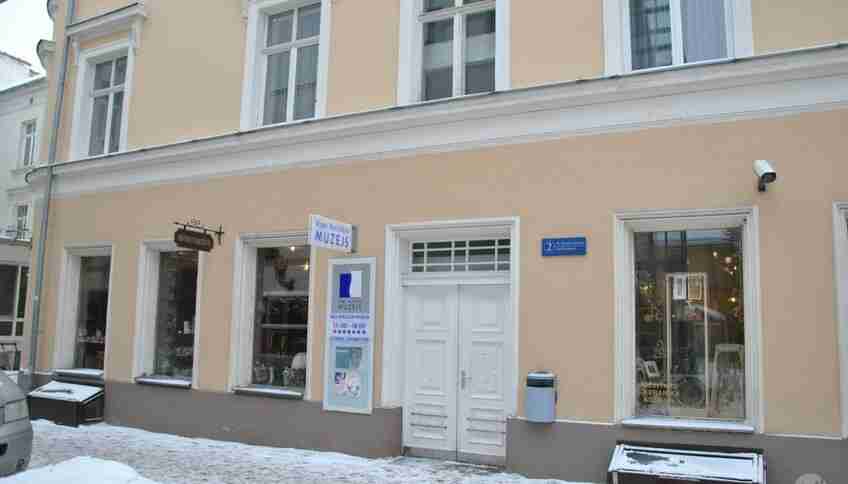
The Riga Porcelain Museum opened in 2001 on the basis of the museum of the closed Riga Porcelain Factory, with the aim of preserving and expanding the collection. The museum had opened at the factory back in 1960 and operated until its liquidation in the 1990s, collecting more than 8 thousand items.
Today, at the Riga Porcelain Museum, you can ознакомиться with the history and technology of production, learn everything about the process of making and decorating items, and see unique porcelain figurines and tableware from the 19th century to the present day. A separate exhibition is dedicated to vases, figurines, and tableware with Soviet symbols.
At present, the museum's collection is expanded not only through the efforts of the administration, but also thanks to gifts from private individuals and contemporary artists. For example, the museum has works by Zina Ulste and Peteris Martinsons.
The museum visit program includes the educational video “How is porcelain made?” and a visit to the creative workshop, where you can paint small porcelain figures yourself.