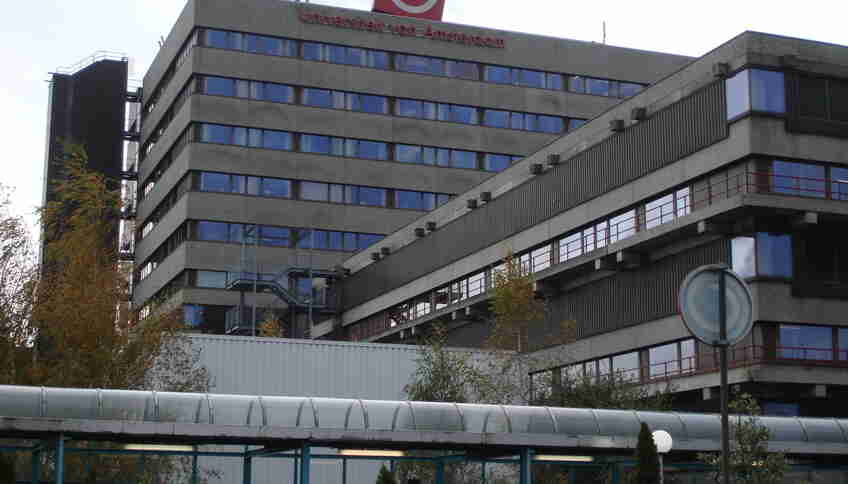
The Museum of Anatomical Specimens cannot be called a feast for the eyes, but its purpose is not to provide aesthetic pleasure. First and foremost, this incredibly valuable collection of scientific exhibits is used to train doctors, anthropologists, and zoologists, but Amsterdam University, which owns the museum, generously gives everyone the opportunity to ознакомиться with more than 10000 exhibits of the Vrolik Museum.
The foundation of this collection was laid back in the first half of the 19th century by Professor of Anatomy and Botany Gerardus Vrolik, an outstanding Dutch scientist who stood at the origins of comparative anatomy and zoology. His father's work was continued by Professor Willem Vrolik, one of the founders of teratology, the science of malformations and disorders in human development. One of the serious pathologies of human development was even named in honor of Willem: "Vrolik syndrome."
Thanks to the efforts of these outstanding anatomists, a collection of zoological and anatomical specimens that was grand for its time was assembled. Real and plaster exhibits demonstrate all kinds of aspects of human development, various pathologies, and deviations. Special attention is given to such phenomena as cyclopia, conjoined twins, and the pathogenesis of skeletal disorders.
The Vrolik family collection was bought by the municipal authorities of Amsterdam in 1869, a few years after Willem's death. It was also transferred to Amsterdam University at that time. Since then, the exhibition has grown significantly thanks to private donations from other museums and hospitals, and at the moment the Museum of Anatomical Specimens in Amsterdam is among the top five in the world.