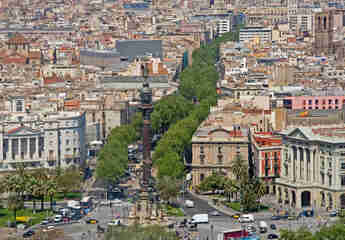
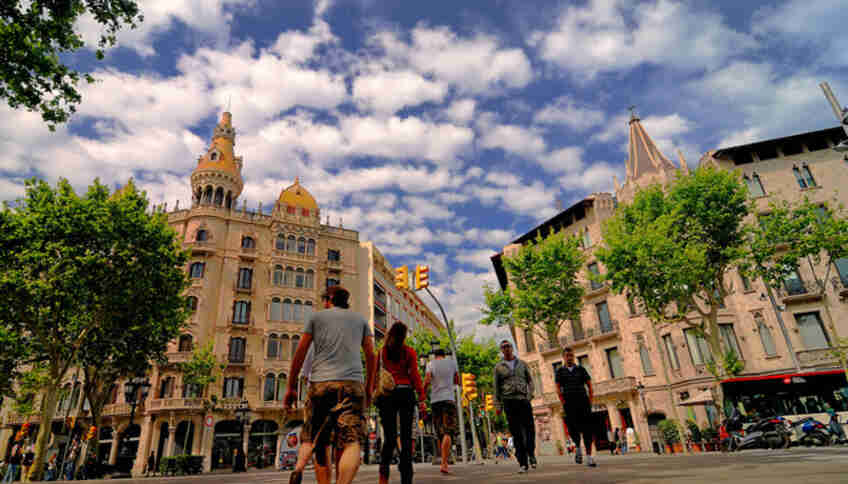
This boulevard is the central thoroughfare of one of Barcelona's most beautiful districts - Eixample. Originally, it was a dirt road connecting Barcelona with the village of Gràcia. But by 1827 it had turned into a spacious boulevard lined with trees on both sides.
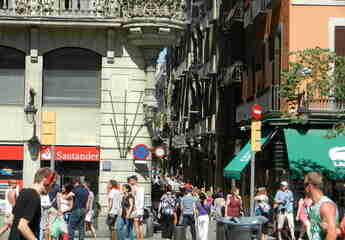
The first streetlights on Passeig de Gràcia appeared only in 1852, and another 20 years later the first trams began running along the boulevard. At that time they were merely horse-drawn, but this accelerated the development of the district so much that by 1890 a new quarter for the rich had grown up along the boulevard. Each of them tried to stand out somehow, use their imagination, and build the most magnificent house. As a result, the quarter turned into a true open-air museum of architecture. Admiring the details and fragments of the buildings, you can now walk along this boulevard for hours. Unusual facades, bay windows, turrets, balconies, and even doorways leave tourists open-mouthed. Here even the streetlights and benches look very distinctive. They were designed by the famous Spanish architect Pere Falqués.
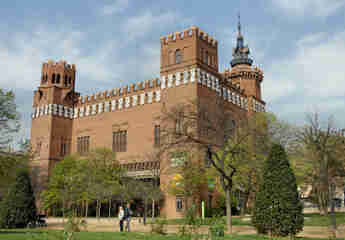
At the beginning of the avenue stands the so-called "house with turrets" - Pascual i Pons by the architect Enric Sagnier, not far from it are Casa Rocamora, created from sketches by the Bassegoda brothers, as well as the former Marcet Palace, which now houses a cinema. Its design was created by Tiberi Sabater.
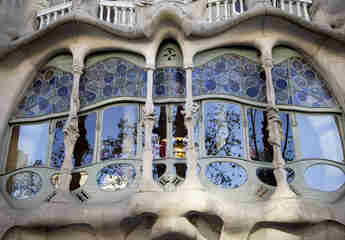
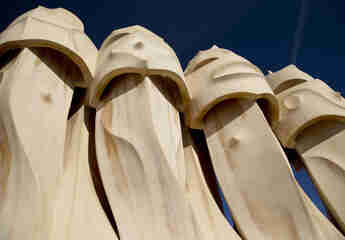
Continuing on, you can reach the "Block of Discord," which is so called because of its explosive mix of architectural styles. But the main "pearls" of Passeig de Gràcia are, of course, Casa Batlló and Casa Milà, built to Gaudí's designs. To this day they are considered the pinnacle of modernism in Barcelona.