The art of calligraphy held an utterly special, sacred significance in the Ottoman Empire. It was not merely a craft, it was the noble art of embellishing the texts of the Quran. The stunning beauty of Arabic script was meant to bring to the Islamic world the divine guidance recorded by the Prophet Muhammad.
In those days it was believed that the sacred books of the Quran could only be copied by hand. Printing religious books was declared heresy, and at the beginning of the XVI century, that is, at a time when Europe was experiencing a true flourishing of book printing, Sultan Selim I, under threat of the death penalty, banned printing presses in the territory of the empire for 300 years. However, during that time Istanbul became not merely a capital - but the heart of calligraphy.
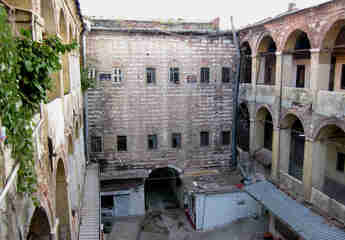
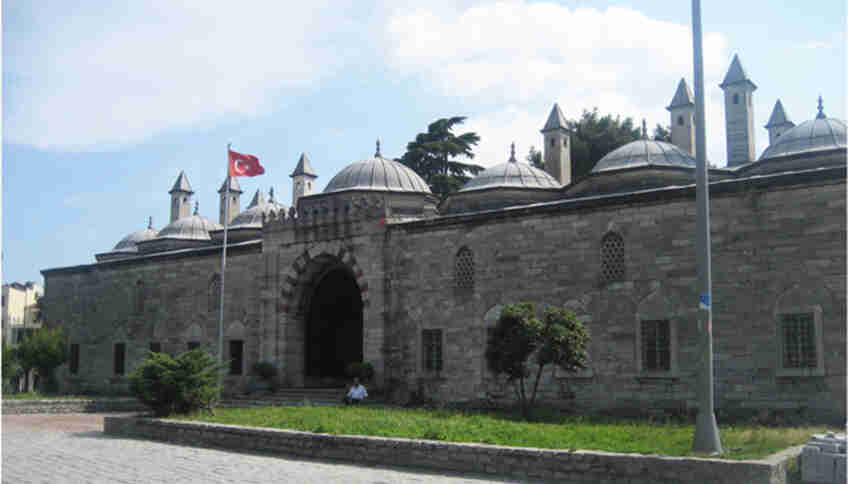
Ancient copies of the Quran, exquisitely crafted books, manuscripts, tools used by calligraphers, examples of elegant writing on stone - the collection of the Museum of Calligraphy in Istanbul is considered one of the richest in the East. In one of the halls you can watch an interesting video about how and with what the masters of calligraphy write.
In addition to the intricate script of religious books, in the museum you can admire the so-called tughras - luxurious facsimiles (seal-signatures) of the sultans. Interestingly, some of them, despite being прекрасными and wise rulers, did not possess the skill of calligraphy. This art was so complex that mastering it required many, many years.