
Most of this memorial is actually hidden underground. It is a long corridor with a black floor and ceiling, on the walls of which many small lights burn, reminding visitors of those who died and were tortured in concentration camps in different countries. In these same walls there are small niches containing ash and earth from those very camps of Освенцима, Дахау, Берген-Бельзена. The niches are made in the shape of triangles, like the patches - identification badges on the clothing of prisoners. At the end of the corridor there is a wall with a round hole, in which a light bulb also hangs, symbolizing hope - the light at the end of the tunnel.
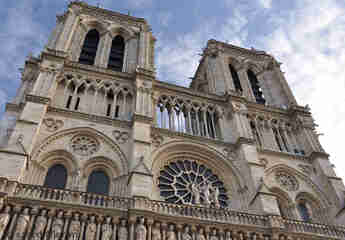
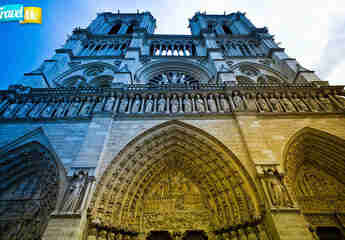
A visit to this place has a particularly strong effect because of the contrast with its location on the busy Cite Island, behind Notre-Dame Cathedral, where thousands of tourists flock every day. However, inside this memorial, which resembles a prison corridor more than anything else, it is always very quiet.
The memorial plaque hanging above the exit from the monument reads: "Forgive us. We will never forget you." This plea is addressed to 200000 French people, among whom were also Jews, who ended up in Nazi camps after being betrayed by their own neighbors and fellow citizens.
The Memorial to the Victims of Deportation was opened in 1962 by General de Gaulle. Its architect was Henri Purgasson. Significantly, when building this monument he used stones from all the provinces of France.