During the height of Byzantium, a luxurious imperial palace stood on the slope of a hill offering a breathtaking view of the Bosphorus Strait and the Sea of Marmara. Unfortunately, we can no longer see all the splendor of the lives of the ancient rulers, as time has taken its toll. And yet, some things have managed to survive.
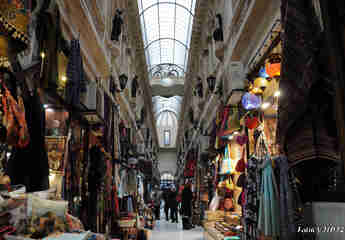
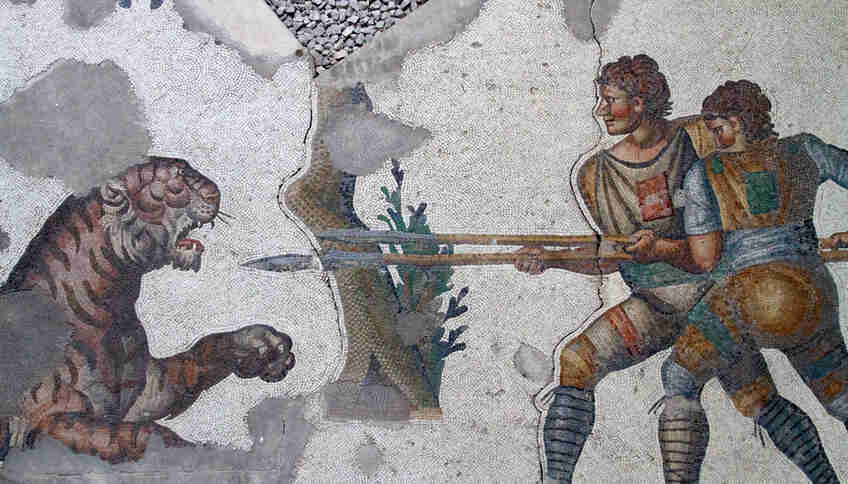
In 1933, during the restoration work on Arasta Bazaar, a fragment of a mosaic was discovered by chance. Archaeological excavations made it possible to uncover an entire mosaic layer, which experts identified as the pavement of the Great Imperial Palace and dated to the 5th-6th centuries. The unique finds have survived quite well, and today they are exhibits of the Mosaic Museum, opened right on the spot where they were found.
On the surviving mosaics, you can see scenes from the everyday life of city dwellers, depictions of various animals and plants, as well as mythological subjects. One square meter of mosaic flooring can be made up of 50 thousand colored glass, terracotta, and limestone cubes! And as we have already said, many images have survived amazingly well to this day. You can personally admire the skill of ancient artists by visiting the Mosaic Museum in Istanbul.