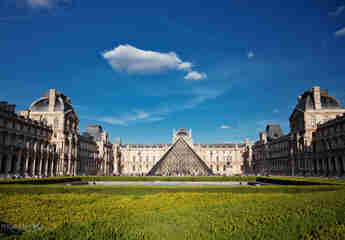

The Louvre Pyramid, a structure of glass and steel modeled after the Pyramid of Cheops, caused a storm of scandals and disputes and became one of the most recognizable symbols of Paris.
In 1985, at the initiative of the President of France, the “Grand Louvre” project began, intended to bring it the title of the largest museum in the world, and as part of it a competition was held for a new entrance complex. The winning design was by the American I. M. Pei, who proposed combining the classical architecture of the Louvre with modern design.
This bold decision caused an explosion of indignation and protest, since the luxurious palace of the French kings, it seemed, could in no way be harmoniously complemented by such an extraordinary architectural feature that did not fit the overall appearance. But the authorities stood their ground: the Louvre Pyramid was built in the palace courtyard, becoming the main entrance to the museum, with ticket offices and an information desk located beneath it.
Parisians soon accepted and got used to the new addition, and now this eclectic sight no longer causes any objections. Around the large pyramid are three smaller pyramids and beautiful fountains, and in the evening all this glass splendor sparkles in the glow of skillful lighting
After the pyramid was erected, another scandal broke out: malicious tongues claimed that the structure consisted of 666 glass panes and therefore was the handiwork of the devil himself! This myth was widely retold and even found its way into the plot of the bestseller “The Da Vinci Code.” Official data, however, contradict the mystical version: the Louvre Pyramid consists of 673 panes.