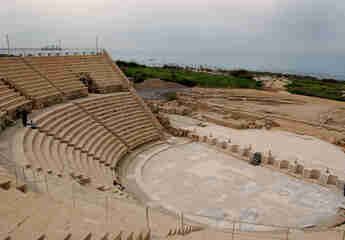
Built in the 1st century BC, the city of Caesarea was a marvel of architecture and technological excellence. King Herod the Great did a magnificent job, and even in our own day, seeing before us only the ruins of what was once a majestic city, we understand how epic the vision was and how successful its realization proved to be.
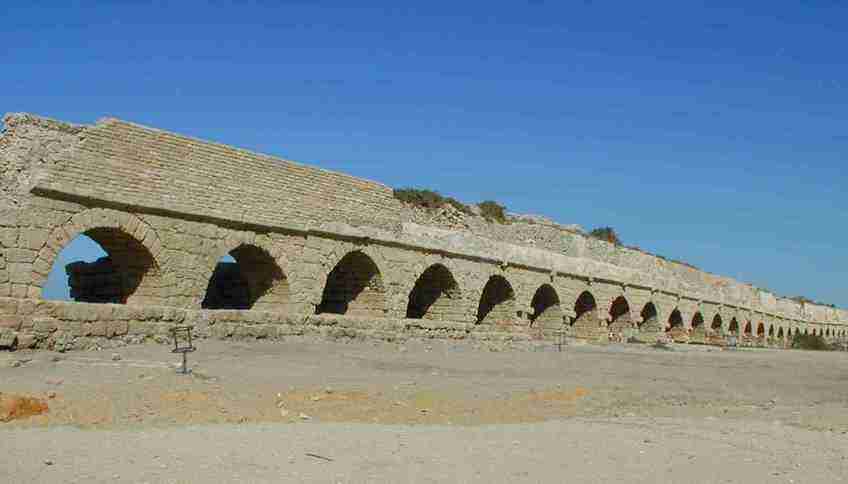
Caesarea was once a remarkable place in every respect, especially in terms of living conditions. One of the most telling structures to survive after two thousand years of the city's existence is the Caesarea Aqueduct, which supplied water to the city.
There were two aqueducts - the upper and the lower. The upper one carried water from various sources located relatively far from settlements - from lakes or streams. The lower one also carried water, but from a man-made reservoir created by damming several streams. The lower aqueduct was built in the Byzantine era as an additional water artery for the growing city.
The remains of the Caesarea Aqueduct have survived to this day. These structures, stretching for many kilometers, serve as the finest monument to the talent of ancient builders and engineers.