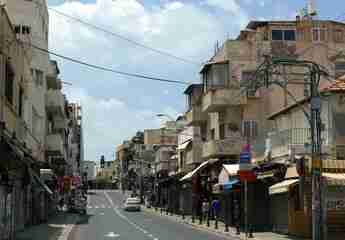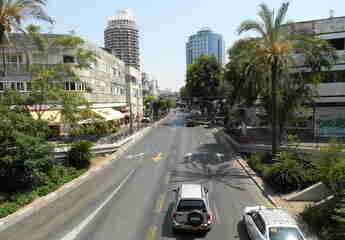
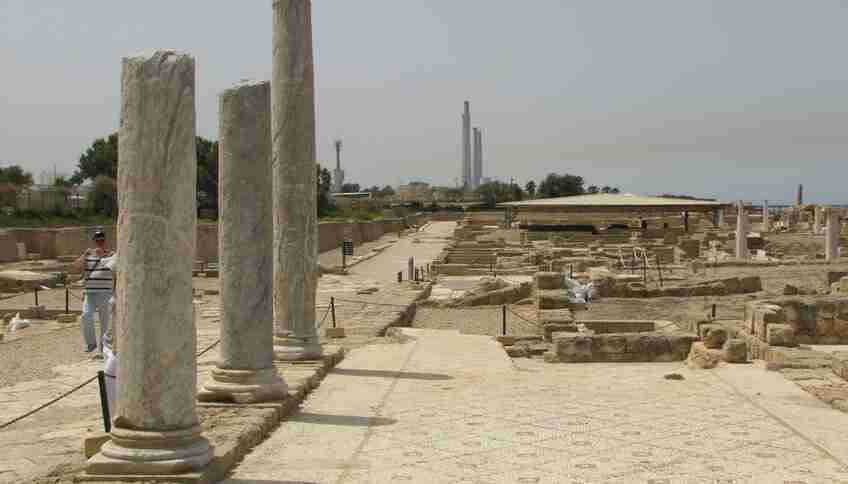
Caesarea — a stronghold of Roman power in Palestine, a city built by Herod the Great in honor of Caesar Octavian Augustus, was constructed after the model of Roman cities. Wide straight streets intersect each other at right angles, sometimes diverging to make room for a square. For example, one of the streets widens to form the Square of Statues, where huge statues of white and red marble once stood.
The layout of the streets of the city, which arose in 30 BC, was astonishingly well thought out. Beneath the paving stones ran a system of sewer channels through which waste was removed from the city. Far from all European cities and capitals could boast such amenities even one and a half thousand years later, not to mention a water supply with running water, which Caesarea received thanks to a system of aqueducts.
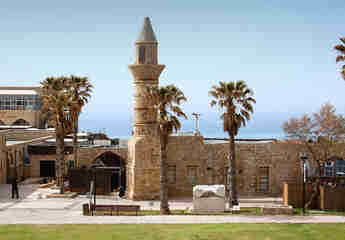
The streets of ancient Caesarea preserve the charm of centuries and even millennia; they bear traces of the Roman and Byzantine eras. They lead to the Arab port, which was built here by the Muslims during their rule, and crusader knights who founded their fortress here once walked along them.
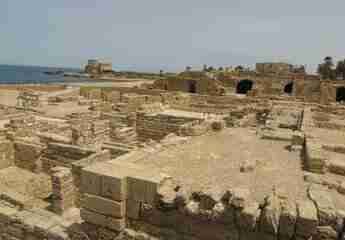
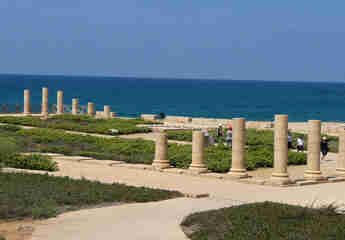
Today the streets themselves and their paving have not survived; only occasionally can a small section of masonry be found, but from the outlines of the buildings and ancient ruins the directions and dimensions of the streets of ancient Caesarea are clearly visible.