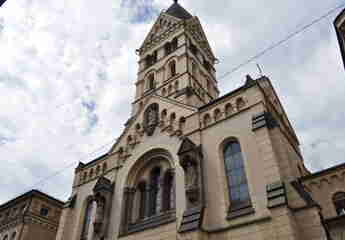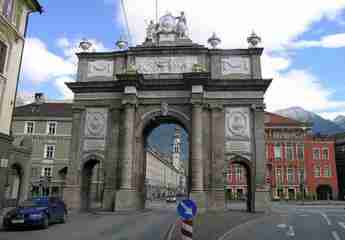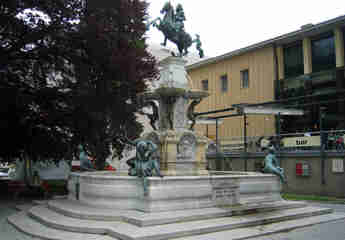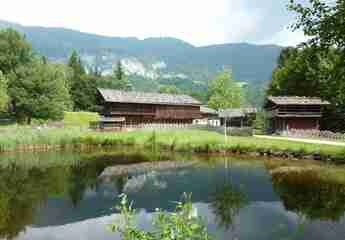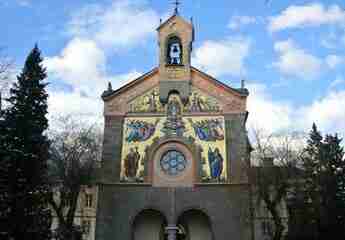

The Tyrolean Folk Art Museum is considered one of Europe's finest collections of regional cultural heritage. It is located opposite Hofburg Palace, next to Hofkirche Church, in the former Franciscan monastery.
The vaulted monastery corridors give the place a special character and authenticity. In 1888, the Tyrolean craftsmen's union decided to found a city museum to acquaint residents and visitors with the history of folk artistic crafts. However, the museum officially opened in the monastery building only in 1926.
A full 22 halls of the Tyrolean Folk Art Museum will give you the most detailed picture of the everyday life, culture, and art of Tyrol's residents from a wide variety of social strata. The exhibits display items collected throughout the region from peasants, the bourgeoisie, and aristocratic Tyrolean families.
National costumes of ordinary Tyroleans and outfits of the nobility, clay utensils and the finest porcelain, fabrics and tools for their production, as well as household items from past centuries create a complete picture of how people lived in Tyrol at different times.
Several rooms of the museum present a complete and detailed reconstruction of living quarters from the Gothic, Renaissance, and Baroque eras. In each room, the setting of the corresponding era has been perfectly recreated - both in the count's chambers and in the bedroom of a simple farmer.