
The collection of the Archaeological Museum of the University of Innsbruck was founded in 1869, four years after the opening of a similar exhibition in Graz.
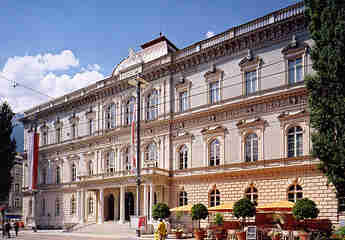
The second museum in Austria by time of creation and by volume of information appeared thanks to the initiative of Professor of Philosophy and Aesthetics Tobias Wildauer. About 450 archaeological exhibits, mainly from the Ancient Greek period, were housed in the building of the "Old University" on Karl Rachner Square. After the opening of the new university campus in the Innrain district, most of the collection moved there.
Because of financial difficulties and the consequences of World War II, the museum's collection was hardly expanded until 1951, when the new director, Professor of Classical Archaeology Alfons Wotschitzky, took charge. Under his leadership, the exhibition halls were rebuilt and modernized, and the exhibits were renewed and restored.
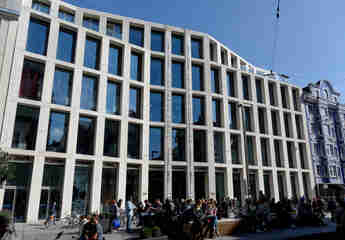
By 1989, the 120-year-old Archaeological Museum of Innsbruck already had more than 900 unique items related to different historical eras in its holdings. In 2009, the museum settled in the Center of Ancient Cultures, a new modern building on Langer Weg.
The museum's main specialization is Mediterranean civilization. The exhibitions allow visitors to trace how people's art and everyday life developed начиная с the Minoan-Mycenaean period. You will see amazing exhibits dating from Early and Late Antiquity,.
In addition to the heritage of Ancient Greece, Rome, and the Etruscans, the museum houses a large collection of objects related to archaeological excavations in Tyrol. The Stone, Iron, and Bronze Ages, as well as the Middle Ages, are well represented.