Scientists have always been interested in the structure of the human body, but engaging fully in such research before the 17th century was difficult and dangerous for religious reasons.
As an official science, anatomy appeared in Tyrol in 1672, when the University of Innsbruck was founded by order of Emperor Leopold I. Fifteen years later, Theodor Friedrich received the first professorship in anatomy here.
At the end of the 17th century, the first collection of human body parts was assembled in the basements of the old University of Innsbruck building. These were mainly bones, since at that time people had not yet learned how to preserve flesh: formaldehyde was invented by the Russian chemist Alexander Butlerov only in 1855.
At the end of the 19th century, the museum - at that time it was called the anatomical theater — received a new building. In December 1943, Innsbruck was subjected to bombing, and it was partially destroyed. Restoration work took place after the end of World War II. Professor Werner Platzer took an active part in renewing the collection, and also modernized the museum and introduced the use of the most modern technologies in working with specimens.
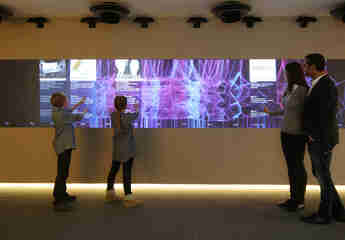
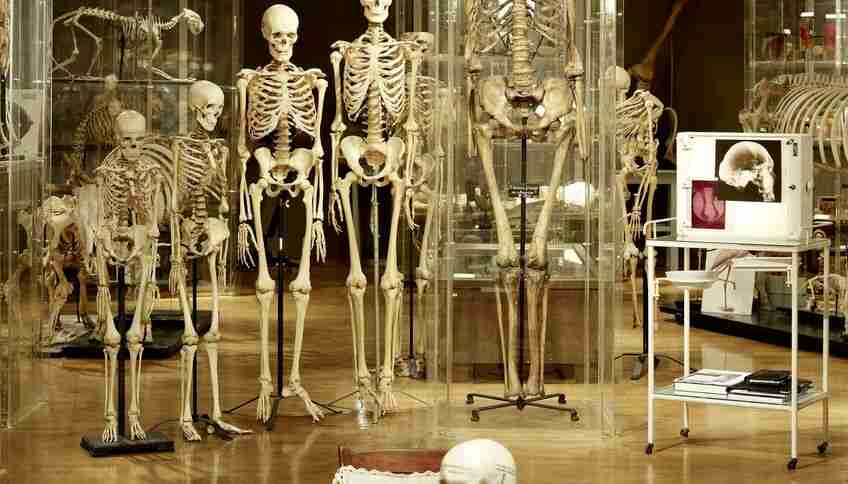
Nowadays, the museum displays many unique and interesting exhibits. Skeletons and fragments of the human body are kept here - both original ones and those in the form of mock-ups and installations. All exhibitions are carefully structured according to historical and thematic principles.