World War II came to Norway in April 1940, when Germany invaded the territory of a sovereign country under the pretext of protecting it from aggression by France and Britain.
The resistance was organized in the same year, with the church serving as the main ideologue and initiator of the movement. The activities of the Norwegian underground fighters severely undermined Germany's strength and significantly weakened its position in Scandinavia.
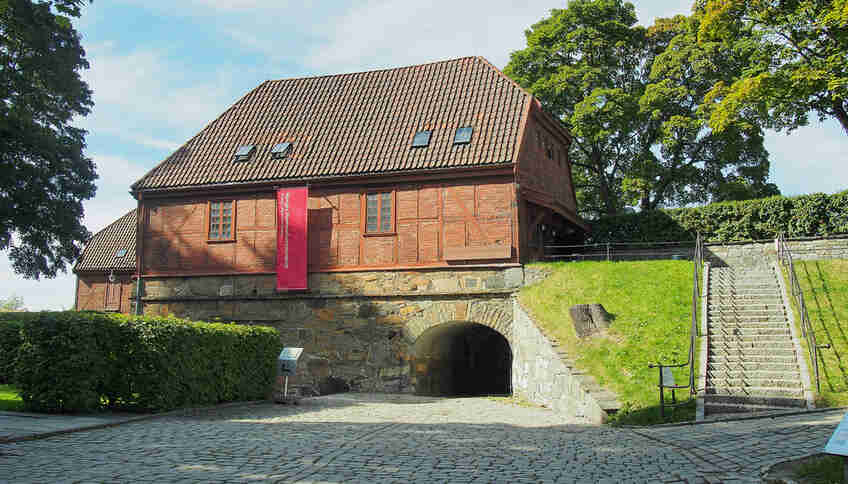
The collection of the Resistance Museum, located on the grounds of Akershus Fortress, is dedicated to this patriotic period in Norway's history. The main part of the exhibition was assembled in 1966, and in May 1970, in honor of the 25th anniversary of Norway's liberation from the fascist invaders, the museum opened its doors to all visitors. Present at the opening was the Prince of Norway, the current reigning King Harald V.
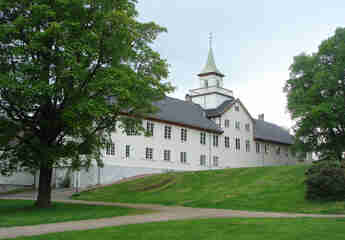
The Resistance Museum settled into an old fortress building dating from the 17th century, which was specially prepared for exhibitions by architect Otto Torgersen.
In the museum you can see a large number of archival materials dedicated to the underground movement during the period from 1940 to 1945. Documents, photographs, and various pieces of equipment from the Second World War are also kept here. All exhibits are presented in convenient chronological order for visitors.