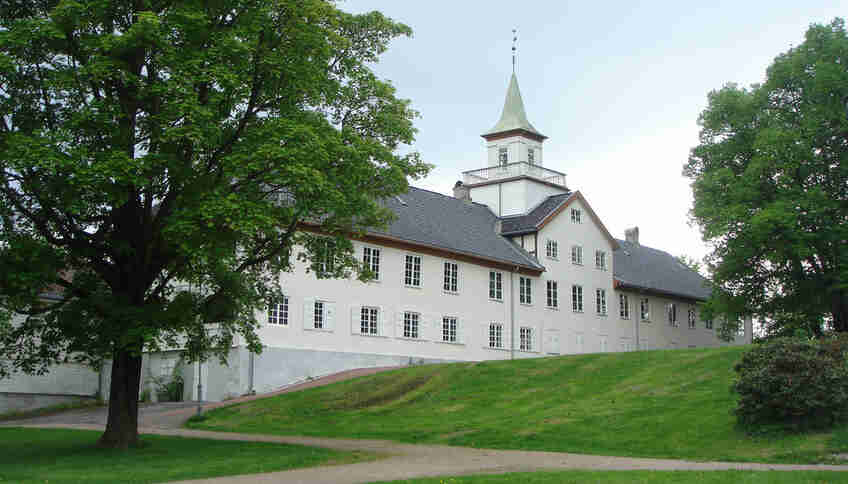
The Theater Museum is one of the thematic divisions of the Oslo Museum (Oslo Bymuseum), founded back in 1905 by Fritz Holland. The museum complex is dedicated to the thousand-year history of the city, the various stages in the development of art and culture in the capital of Norway.
The Oslo Museum consists of three separate exhibitions: the Oslo City Museum, the Intercultural Museum of Oslo, and the Theater Museum. More than 7,000 relics, artifacts, and commemorative objects are displayed to the public at the Oslo Museum.
The Theater Museum exhibition covers a century and a half of the capital's theatrical life. On the stages of the Oslo theater (then still Christiania), productions of innovative plays by the brilliant playwright Ibsen were first performed. Stage costumes, props, and pieces of scenery from the golden era of Norwegian theater are collected in the museum. More recent theatrical productions featuring famous actors are captured in photographs and video recordings that complement the collection.
In addition to the history of the capital's theatrical life, the museum also presents related fields of performing arts - vaudeville, puppet theater, and even circus performances. Norwegian ballet is represented in the Theater Museum exhibition by ballet costumes from famous productions and portraits of outstanding dancers.
The Oslo City Museum, which includes the Theater Museum, occupies the old Frogner estate, built in 1750. The estate is surrounded by a park which, in the first half of the 20th century, became home to the creations of the brilliant sculptor Gustav Vigeland.