The sculptures of Ancient Rome and Egypt, as well as Ancient Greece, in the museum's collection make it one of the most significant in Europe.
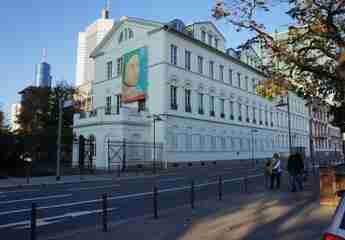
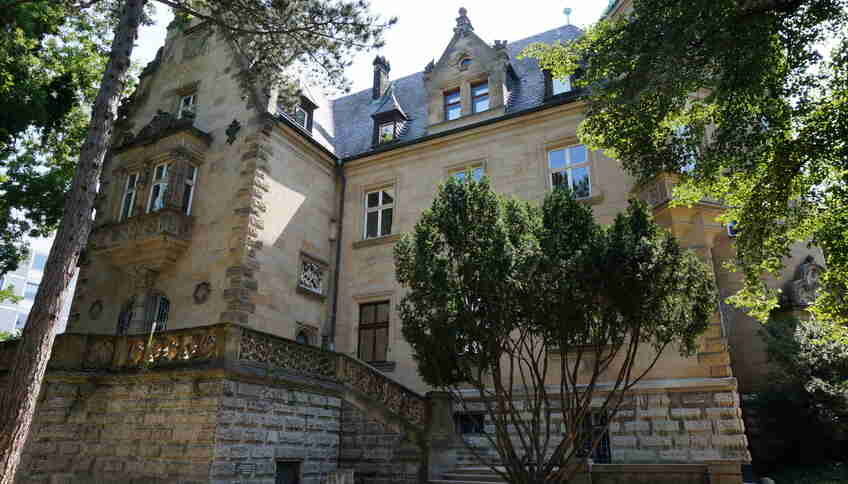
The wonders begin right at the entrance: the museum occupies a historic late-19th-century castle. This "keeper of the secrets of history" owes its development to Georg Swarzenski, who in the early 20th century was director of several cultural institutions at once and managed to organize their work.
When it was decided to place the sculpture museum in the villa-castle, he was the one who insisted that the appearance and interior layout of the halls remain unchanged here. Wood paneling, stucco, exclusive furniture - all of this was preserved, and a gallery was added to the building to house the main exhibits, followed later by another one.
Frankfurt am Main invested large sums in the development of art, so rare exhibits were collected all over the world, buying them from private collections and museum holdings. Some sculptures were donated by citizens for the opening of the museum.
The Gothic, Baroque, Renaissance, and Classicist eras are all represented by various sculptural elements. There are also completely unique exhibits here, for example, reliefs from the tombs of Egyptian pharaohs or a figure of a horse created in the 8th century BC. Series of lectures with a guided tour component, prepared by the museum staff, are very popular.