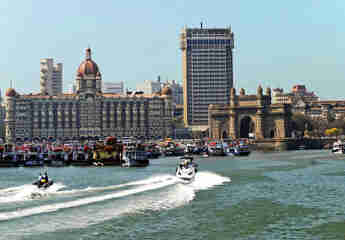
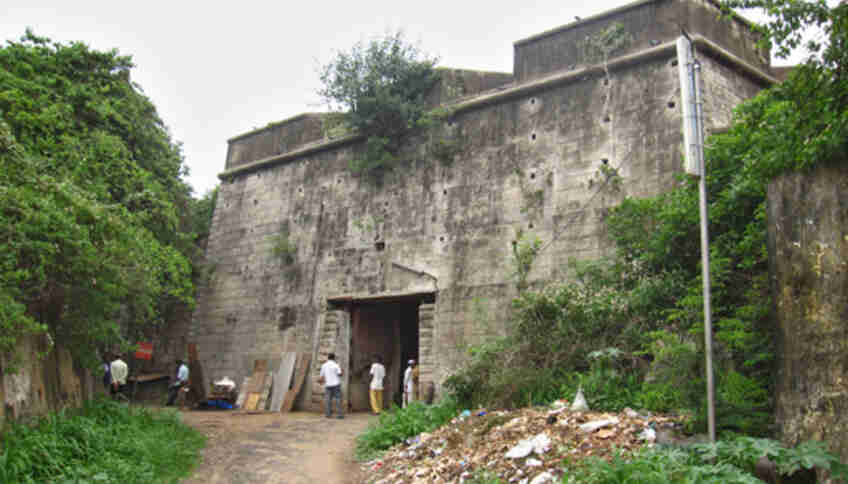
The heart of Bombay in the 18th century was considered to be the southern district called "Fort." This territory got its completely non-Indian name, as is not hard to guess, from the British, or more specifically, from Fort (Fortress) St. George.
The fortification, built on the initiative of the British East India Company, was one of the most powerful defensive structures in western India. It was built in 1769 and named in honor of King George III of England. The total length of the fortifications was about two kilometers with a width of 500 meters.
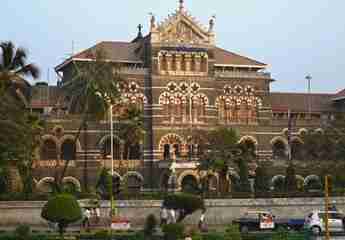
In 1865, the fort was destroyed, but its remains have survived here and there in the Fort district of Mumbai. You can see parts of Mumbai's oldest fortress not far from St. George's Hospital, as well as near the General Post Office or Chhatrapati Shivaji railway station.
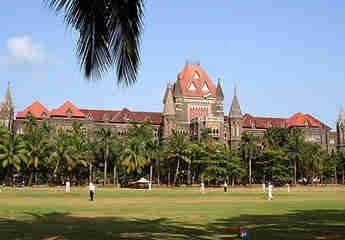
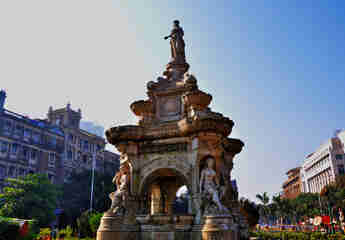
Today, the Fort district is the business and financial center of Mumbai. The Bombay Stock Exchange and the Reserve Bank of India are located here, along with other major institutions. The gray, gloomy fortress walls with narrow embrasure windows look very unusual against the backdrop of bright and lively Mumbai.
The entire Fort district is now regulated by the Urban Development Department of the Government of Maharashtra, so there is no need to worry about the preservation of the ancient structures - the fortifications that once protected the city are now themselves under reliable protection.