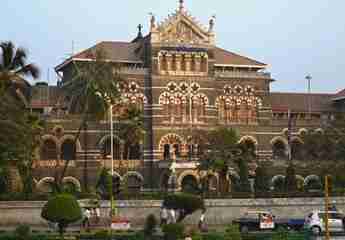

India is distinguished by its tolerant attitude toward cultures and traditions that came from outside. This is especially true of the period of English colonization, which left an indelible mark on the Indian mentality and the country's history. One of the pieces of evidence of England's rule is the Church of St. John the Evangelist, which is located in Colaba, the southern district of Mumbai.
The church was built in 1847 and consecrated 11 years later in memory of English soldiers who died during the First Afghan War in 1838-1843. Since then, it has also been called the Afghan Memorial Church.
The architectural style of the building is Gothic, with traditional stained-glass windows, small windows, and pointed forms. Despite its apparent gloominess, the church is quite cozy, and the Indian ornaments found here and there add a special atmosphere, creating an interesting blend of Christianity and exoticism.
Local materials were mainly used during construction: basalt and limestone, but some were brought directly from England - for example, the patterned floor tiles and the bells, thanks to which the church belfry was considered the best on the entire western coast of India.
The building's spire rises 60 meters into the sky. In the 19th century, the church served as a landmark for seagoing vessels arriving at the local harbor, since at that time it was the tallest structure in the city.