Horniman Circle Gardens has an intriguing history that began in 1821. At that time, the place where the well-kept park now stands was a dense forest of coconut palms and shrubs called "Bombay Green." Intensive development was underway around it for a new district that later became the Fort district, but these thickets with a few poor shacks in them spoiled the whole picture.
In 1842, Police Commissioner Charles Forjett proposed improving the green zone, shaping it into a circle, and constructing buildings around the park. This idea was supported by the Governor of Bombay, Lord Elphinstone, after whom the park and the buildings surrounding it were later named.
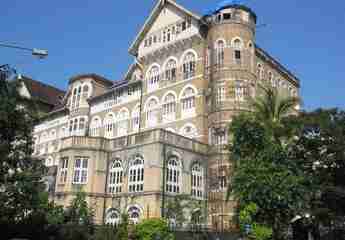
By 1872, the park was finally ready - walking paths were laid through the former forest, the vegetation was put in order, and beautiful buildings in an exquisite colonial style were built around the park, most of which have survived to this day. This entire complex of the park and the surrounding houses was called "Elphinstone Circle."
The park quickly gained popularity among colonists and local residents, becoming a favorite place for walks and meetings, and in the evenings an instrumental ensemble played in the center of the park, creating a romantic atmosphere.
In 1947, after India gained independence, the park was renamed Horniman Circle Gardens - in honor of the editor of the newspaper “Bombay Chronicle,” known for his patriotism.
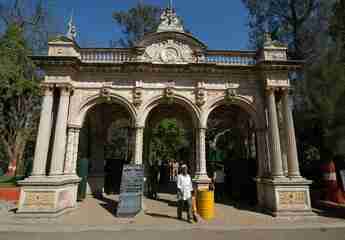
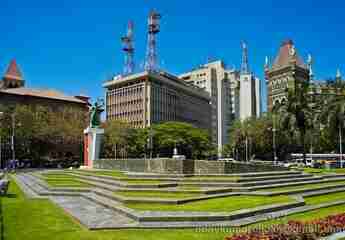
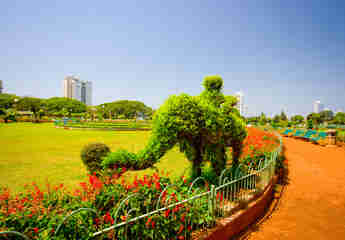
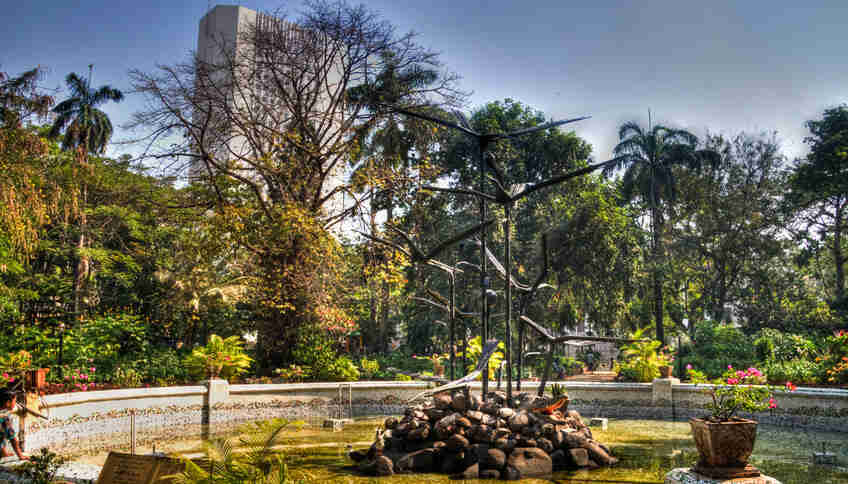
Today, Horniman Circle Gardens attracts visitors with its pleasant coolness and fresh greenery, Art Deco sculptures, and the magnificent architecture of the old buildings standing around it.