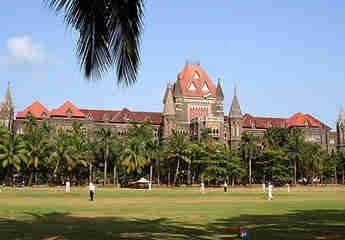
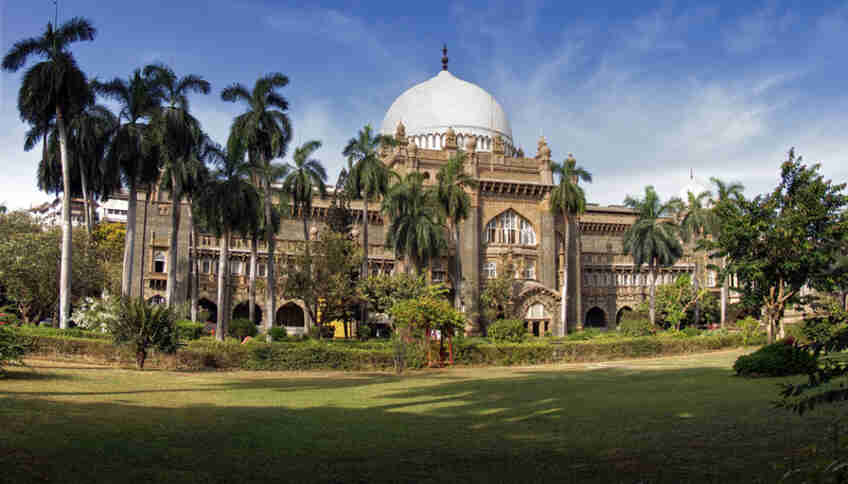
The Prince of Wales Museum is considered one of the most exquisite and beautiful buildings in Mumbai. This palace-museum was built in the Indo-Saracenic style, somewhat reminiscent of royal buildings from the Mughal era.
The large building with hundreds of lattice windows and dozens of ornate turrets is built of gray-blue basalt. A large white dome finished with azure tiles crowns the three-story building and from afar resembles a full moon rising from behind the museum.
The first stone of the building was laid in 1905 by the Prince of Wales himself, the future King George V, during his visit to India. Funds for the museum's construction were donated by wealthy residents of Bombay, and the architectural project was designed by George Wittet.
The museum took about 10 years to build; the building was completed in 1915, but it became a museum only in 1923. During the First World War, a military hospital was based in the museum's premises.
The Prince of Wales Museum houses a vast collection of artworks, as well as historical and archaeological treasures. The exhibitions are divided by floor - the first floor contains prehistoric artifacts and a natural history exhibition. The second floor presents a collection of paintings and decorative arts from different periods from India, Nepal, and Tibet. The third floor is devoted to European art; private collections of paintings are also exhibited here.