The chief theorist of Chinese communism is still deeply revered by the people of the Celestial Empire to this day. Mao Zedong died in September 1976, and a few months later construction of a mausoleum to house his body began in the center of Beijing, finishing by the anniversary of his death.
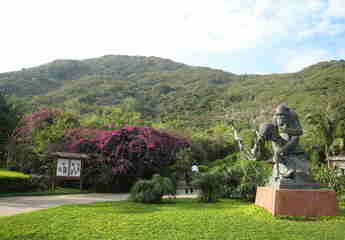
On Hainan, where he had never been, an iconic natural landmark was renamed in his honor. This island is considered sacred, and in its mountains, according to Chinese beliefs, gods reside – so beautiful is their nature and so unattainable their grandeur. It is here that the soul of the great political leader found its resting place.
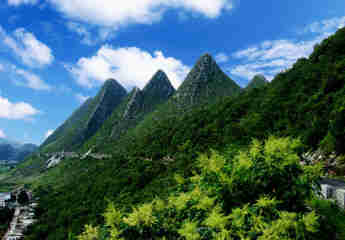
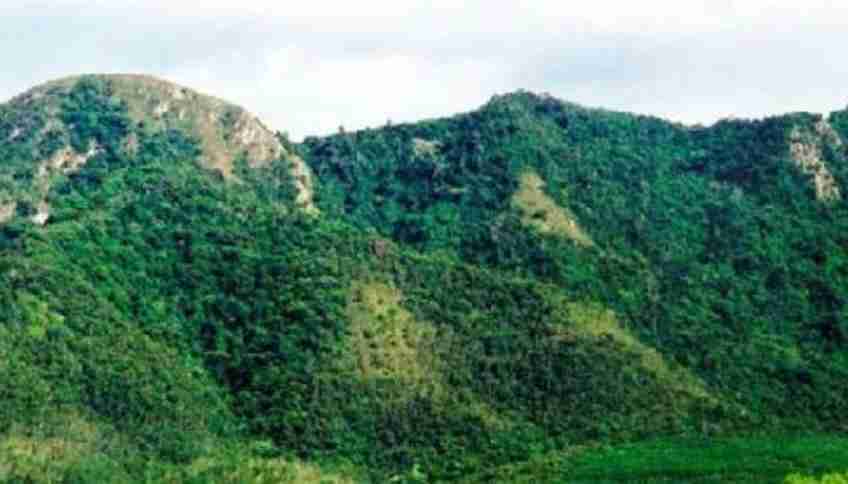
It dwells on a high mountain whose outline resembles the silhouette of the helmsman lying in a coffin. To be more precise, the attraction is called "Sleeping Mao Zedong Mountain." Its observation deck offers a picturesque view of the surroundings, reminiscent of expensive watercolor landscapes. Visitors can also see the memorial and Mao's shrine.
By the way, the name of the Chinese political leader, as is common in Asian countries, carries a deep meaning. “Benefactor of the East” — that is its literal meaning. The additional, unofficial name Yongzhi, given to Mao in childhood, meant “Praised Orchid.” It was soon semantically adjusted by adding the meaning of water, resulting in Runzhi — “Orchid Watered by Water.” If one character in this word is written differently, it takes on another meaning: “Benefactor of All Living Beings.”