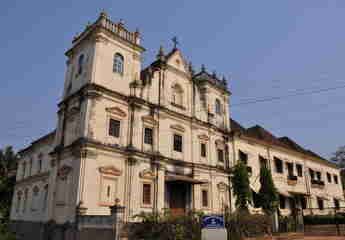
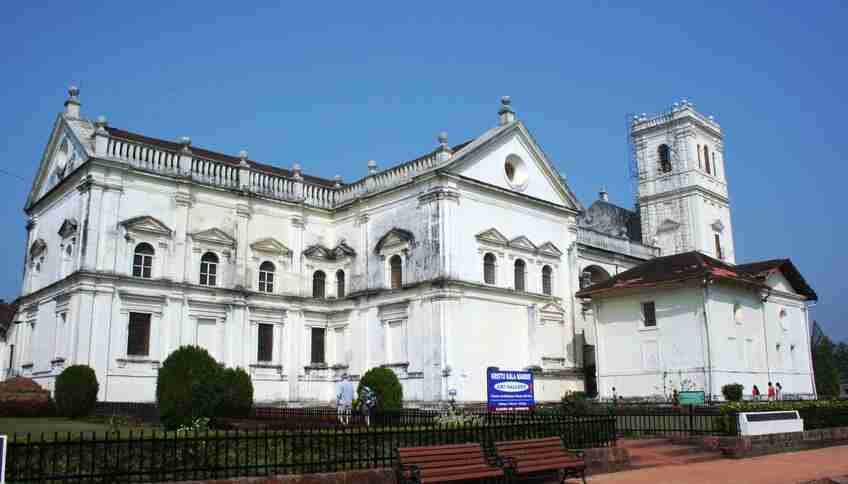
The city of Old Goa is a historic place rich in archaeological finds. The museum, opened in 1964, is housed in the building of the old monastery at the Church of St. Francis of Assisi. All exhibits are divided into eight galleries, which comprehensively tell the history of the state from ancient times to the Middle Ages.
Ancient scrolls and maps of sea routes and Old Goa, statues of deities, memorial stones, models of historic buildings and a 16th-century ship from Portugal, iron anchors, portraits of sixty governors - the museum's exhibition fully reflects the main milestones in the development of the state of Goa. In the open-air courtyard there is also a permanent exhibition: cannons are displayed here.
Rare exhibits include memorial slabs depicting the sati ritual (the self-immolation of widows together with their deceased husbands) and military scenes. By visiting the archaeological museum, you can also learn about the existence of the poem "Lusiada" and see what its author - the Portuguese poet Luis Camoes - looked like.
The largest object on public display is the statue of Alfonso de Albuquerque, the ruler of the region during the period of Portuguese rule. At first it stood on a street in Old Goa, then in Panaji Park, and it came to the museum after the revolution.