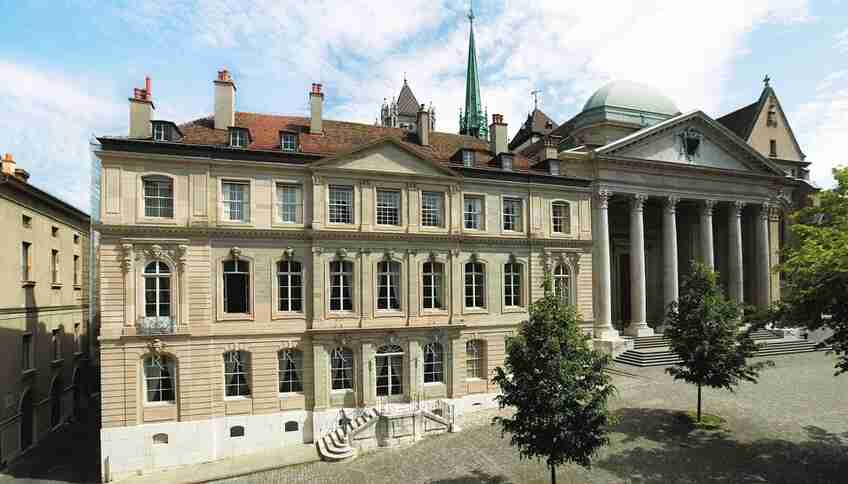
Geneva is sometimes called Calvin's city. Who this political figure was, who influenced the minds of an entire era, and why Geneva was dubbed "Protestant Rome" — all this can be learned at the Museum of the Reformation, where books, manuscripts, and letters related to Calvin and the movement he started are collected.
Among these rare documents are the first French Bible of 1535, Calvin's correspondence, original letters from Catherine de' Medici, the kings of France Charles IX, Henry III, Henry IV, and Michel de Lopital — about 400 exhibits in total.
Modern audio and video materials will tell you about the outstanding role of Protestant pastors in the struggle against the fascist regime, as well as about the development of Protestantism at the present time.
The construction of the Museum of the Reformation cost 4 million dollars. For the most part, this was money from benefactors — descendants of Protestants who fled France. The lion's share of this fund consists of an investment from one private Swiss bank.
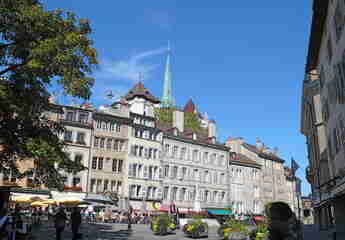
The 12 halls of the museum exhibition were housed in the Mallet House — a mansion of a Huguenot family built on the site of the former Monastery of Saint Peter — the very place where the townspeople embraced the Reformation in 1536. Nearby rises the symbol of Protestant Geneva — Saint Peter's Cathedral.