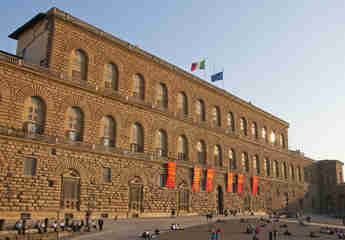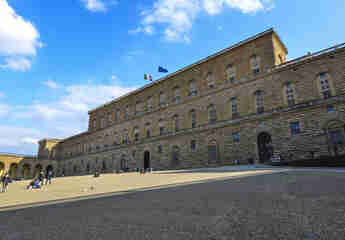
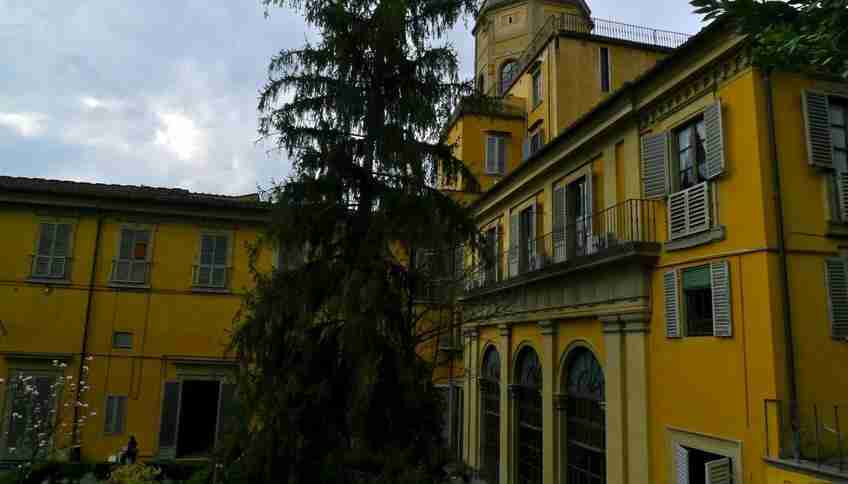
An old building located next to Palazzo Pitti now houses the Museum of Zoology and Natural History. It was opened in 1775 and is rightfully considered one of the oldest scientific museums in the world. Hundreds of unique exhibits and scientific materials on biology, botany, mineralogy, and anthropology are kept here.
The museum is divided into six departments, each with its own specialization. For example, the zoological department "La Specola" (which translates as "Observatory," although it has nothing to do with astronomy). More than 20,000 skeletons of ancient people are collected here. From them, one can roughly determine the height and build of the inhabitants of Earth who lived on it several millennia ago.
The "Botany" department contains the largest collection of plants in Italy - about 5 million specimens. And the "Anthropology and Ethnology" department tells about the folk traditions and everyday life of our ancestors. In addition to these three departments, there are also "Geology and Paleontology," "Mineralogy and Lithology," as well as the Botanical Garden.
Visiting each of them will take quite a lot of time, so it is better to come here in the first half of the day. Besides, scientific research may be conducted in the storage rooms, so after lunch the entrance to some departments may even be closed.