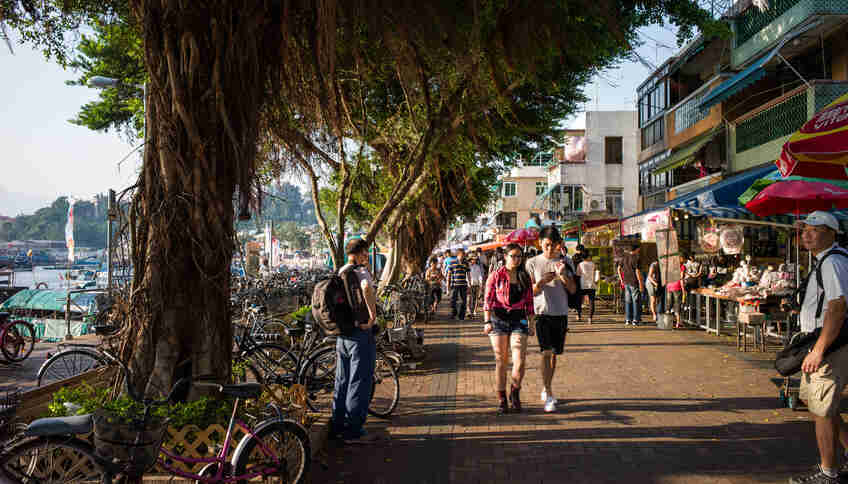
A small dumbbell-shaped island lies half an hour away from Hong Kong Island. Hong Kong residents who are tired of the bustle of the huge metropolis, the noise of traffic, and other delights of progress come here by ferry. On Cheung Chau, a pastoral rural atmosphere awaits you, with a Chinese flavor.
There are only a few automobiles on the whole island - an ambulance, police, and a fire truck; all the other inhabitants get around on bicycles or funny hybrids of a bicycle and a motorcycle with a sidecar. The narrow streets of the old fishing village were not made for cars, but they are full of the vibrant life of ordinary islanders.
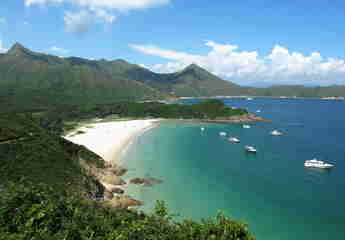
Just 23 thousand people live on an area of only 2.5 square kilometers, so Cheung Chau is quite densely populated. Despite all this, the island is very clean and has preserved its natural beauty. There are no high-rise buildings here, and the beaches look the same as they did several centuries ago.
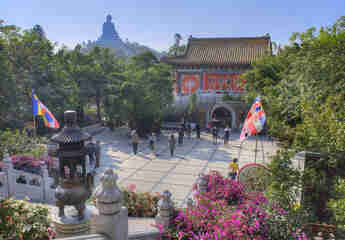
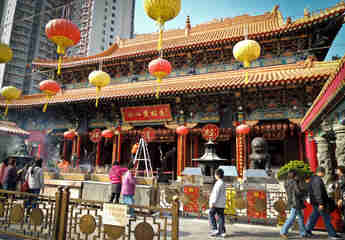
It is precisely for the clean air and wild beaches that streams of vacationers come here on weekends. Among the attractions, there are several interesting old temples, and in spring the Bun Festival is held here, dedicated to the deity of the sea and fishermen.
Cheung Chau was one of the first to be settled among the more than 200 islands in the region. Locals believe that the fishing village was founded back in the days of the Ming dynasty. The history of the island is shrouded in numerous legends, one of which is connected with the famous Chinese pirate, the terror of the southern seas in the 18th century, named Cheung Po Tsai. They say that before entering service in the royal navy, he hid his treasures in a cave on Cheung Chau. Both locals and tourists have been roaming the island for two hundred years in search of the pirate treasure. Be sure to stop by the Cheung Po Tsai Cave - what if you are the one who finds a coin that fell out of the treasure chest?