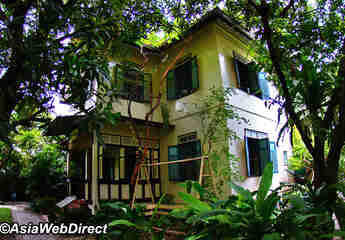
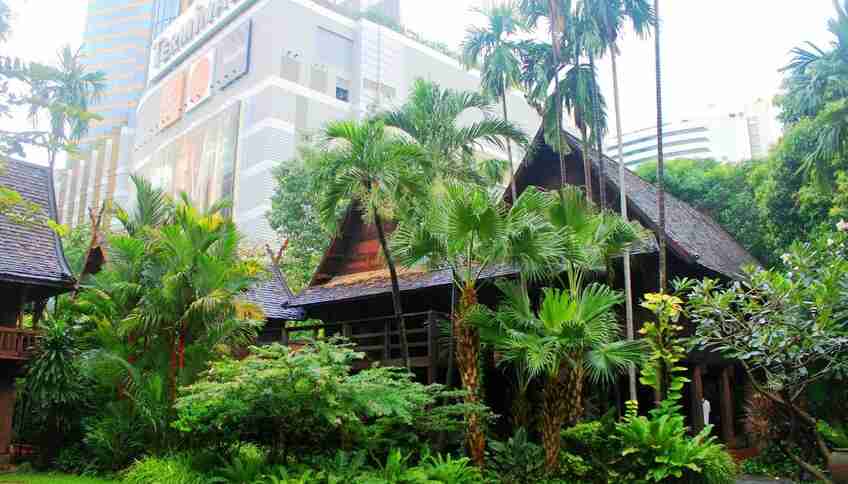
The Kamthieng House Museum was built in 1848 by Mae Saed, the great-granddaughter of Prince Muang Che. The wooden house reflects the features of traditional culture and way of life in Lanna, the kingdom of the “Million Rice Fields,” which existed in the Middle Ages in the north of present-day Thailand.
The house on the bank of the Ping River in Chiang Mai Province passed from hand to hand through the female line of Mae's family. The last descendant of the original owners, Nang Kimhyu Nimmanhaemindaon, transferred the house to the Siam Society in 1963. The building was moved to Bangkok, and three years later King Bhumibol Adulyadej announced the opening of the Lanna ethnographic museum.
In the museum you will see everyday essentials, household implements, and ritual objects created by craftsmen in Lanna. The exhibition covers roughly a century of the lives of three generations of the family: from Mae Saed to her granddaughter, Mae Kamthieng, after whom this residence, and later the museum, was named.
Everyday life in Lanna families was governed by carefully defined rules of relationships between family members, spirits, and gods. A strict code of conduct was observed. Special reverence was paid to the spirits of ancestors and the forces of nature, visible and invisible. It is said that the spirits of three women, Mae Tao Kamdeng, Mae Saed, and Mae Kamting, still dwell in the house, appearing from time to time dressed in traditional clothing of the Lanna era to protect both their property and the guests of the house from evil spirits.