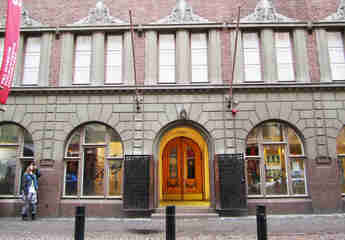
In 1874, one of the Swedish conglomerates opened a porcelain factory in the capital of friendly Finland. The factory building was constructed in the Arabianranta district, which literally translates as "Arabian beach," and received the corresponding name — Arabia.
The factory's managers focused on the highest quality porcelain and cooperation with the best artists of their time — and they made the right choice. The products quickly won recognition among art lovers and collectors, as well as among affluent buyers seeking to adorn their everyday life.
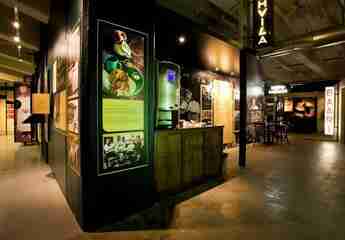
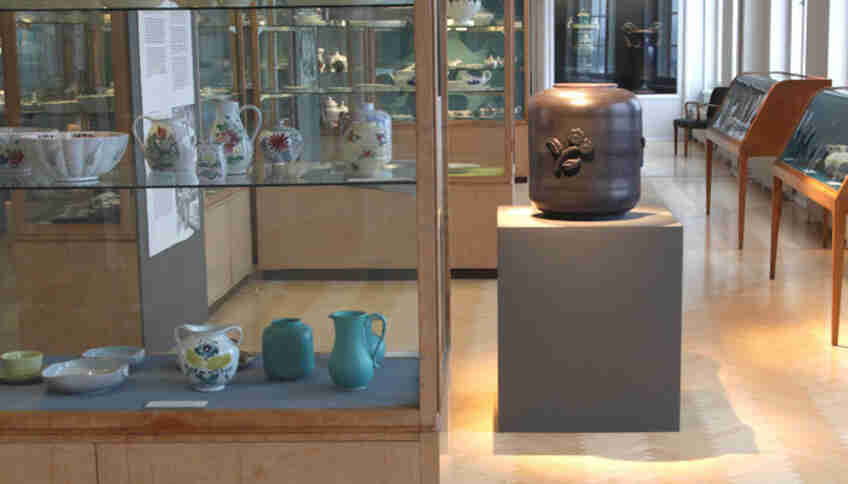
In 1916, the factory became the property of Finnish entrepreneurs and turned into a true national pride. In 1948, a museum was opened here, and its collection is constantly expanding and now numbers more than 1500 items. These include both purely decorative and utilitarian porcelain, elegant Art Deco pieces, and extravagant examples of contemporary design.
The brand's signature style is simple, строгие forms and understated, elegant patterns. The museum exhibition is arranged in chronological order, allowing visitors to clearly trace the development of technology and the changing fashion trends in the world of porcelain.
This same building also houses the Helsinki School of Art and Design, office space, a large themed library, a cozy cafe, and a huge tableware store where you can spend more than an hour looking at and choosing plates and cups — very beautiful and quite expensive.