The grand exhibition of this museum consists of 200 thousand photographs and 30 thousand exhibits dedicated to the history and development of sport and physical culture in Finland. One of the most popular exhibits is the golden spikes of Paavo Nurmi, the runner nicknamed the "Flying Finn," who won the greatest number of Olympic medals in the entire history of athletics.
The museum's collections capture not only the victories and achievements of Finnish athletes and teams, but also bitter defeats and setbacks.
The history of this collection began in the 1930s with a collection of items related to skiing, which is a traditional pastime of the Finns. But after the opening of the foundation that united Finland's sports library and sports archive with the museum, the collection came to include everything that played a role in the development of various sports in Finland and around the world.
Originally, the exhibition halls were supposed to open in 1938, in the Olympic Village then under construction, where the 1940 Olympic Games were to be held. But because of World War II, the competition was canceled. Nevertheless, the museum opened right in the midst of the war - in August 1943.
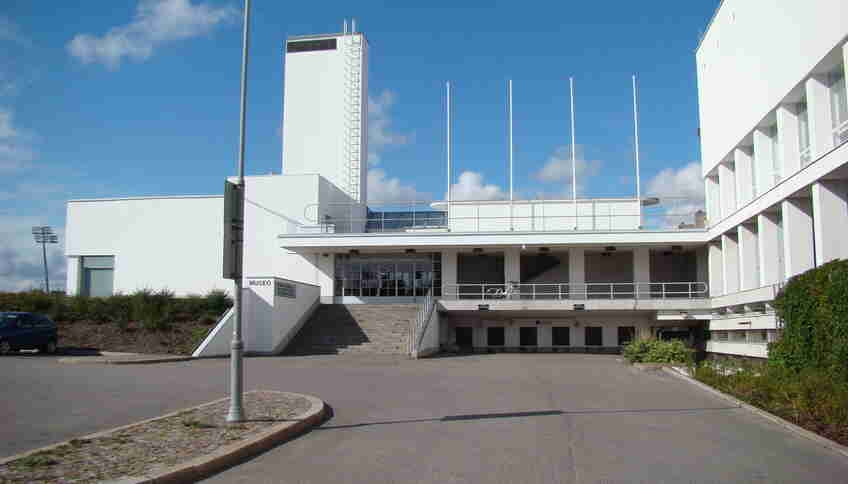
Today, the sports museum is located in a wing of the Helsinki Olympic Stadium, with several exhibition halls and regular themed exhibitions.