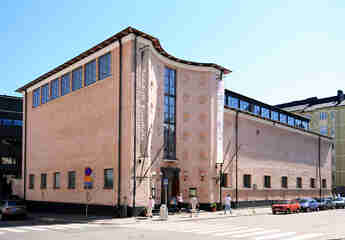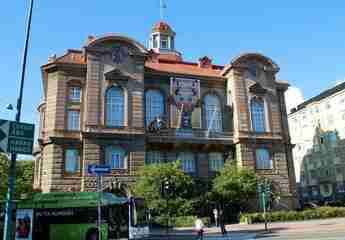
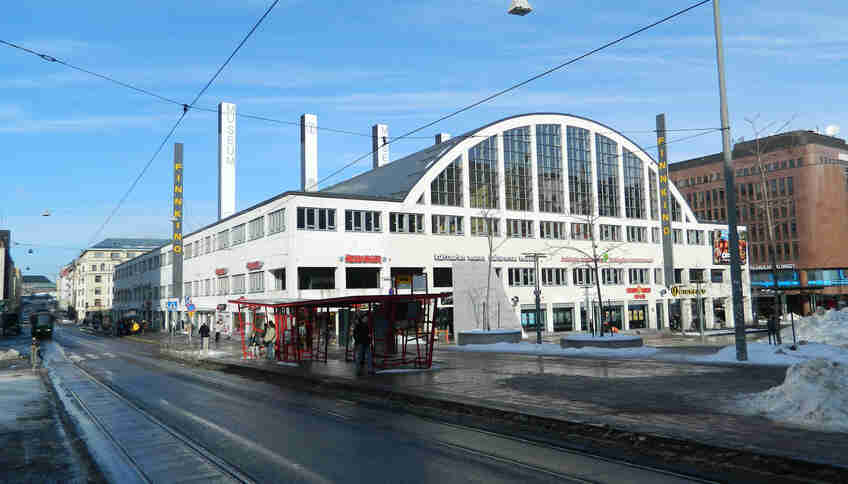
Tennispalatsi, which translates as “Tennis Palace,” today has little in common with this sport. However, the history of this project by architecture student Helge Lundström is quite interesting.
Tennispalatsi was built in 1937 as the first automobile showroom – in the huge space of the hangar-like building, Finns chose and bought cars; spare parts were sold here and vehicle maintenance was carried out.
Eventually, this spacious hall was intended for 4 tennis courts on which participants of the 1940 Olympics were supposed to compete. But because of World War II, the games were canceled, the building stood empty and began to fall into disrepair. During and after the war, there were plans either to loot it or demolish it, but in the end the city authorities bought it in 1950. However, they found no use for it and decided to lease it out: at different times it housed offices and a large market, and during the 1952 Olympics basketball competitions were held here.
This succession of various institutions in the “Tennis Palace” ended after Finnkino bought part of the premises, and it was decided to give the remaining part to the Finnish Art Museum. Since 1993, Tennispalatsi has been known as the largest and most popular entertainment center.
The Finnkino cinema with 14 auditoriums and 2.7 thousand seats can boast the widest screen in Scandinavia and state-of-the-art sound systems.
The second and third floors are occupied by the exhibition halls of the Helsingin taideimuseo Tennispalat museum, where more than 8000 works of 20th- and 21st-century art are on display.
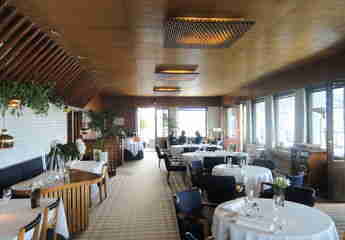
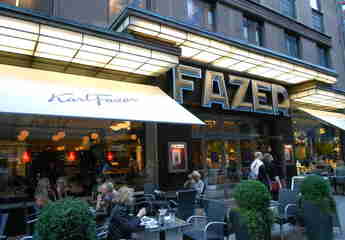
In addition, the entertainment center has several cafes, restaurants, and bistros, for every taste and budget.