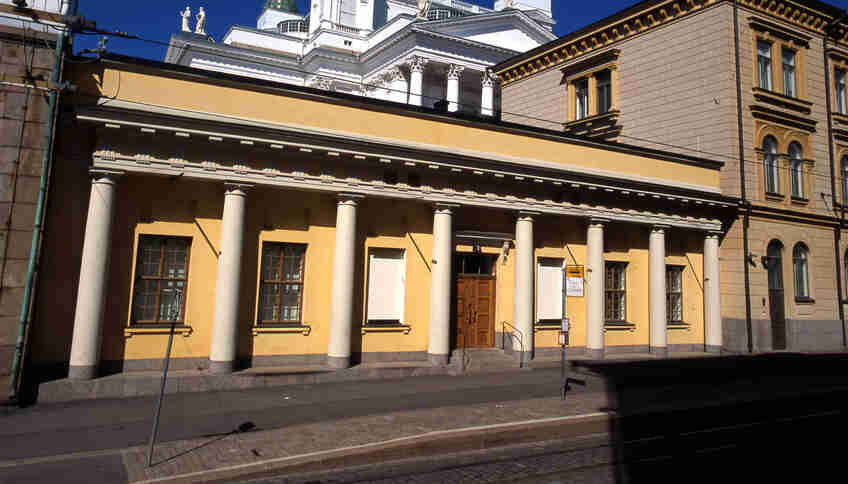
The Central Bank of Finland was founded in 1812, when the Grand Duchy, which had previously been under Sweden for several centuries, had already been under Russian rule for three years. These territorial upheavals were reflected in monetary relations and undoubtedly influenced the formation of the Finnish economy.
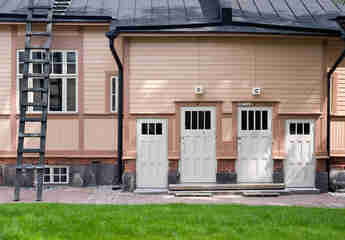
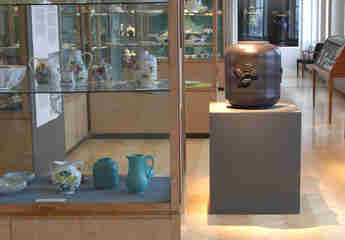
The Museum of the Bank of Finland opened in 2003 not far from the Financial Supervisory Authority, at the foot of the cathedral. Since then and to this day, there have always been many visitors here. Above all, they are interested in seeing the impressive collection of coins and banknotes, but the tour devoted to the history of money and financial relations in Finland and other countries of the world proves to be no less fascinating.
With the help of interactive models and visual effects, the exhibitions come to life, telling the story of economics and banking. Therefore, it is not surprising that regular visitors to the museum are often students and schoolchildren. In addition to history, the role of Finland in the modern economy of Europe, as well as the prospects for its future development, is also explained here.