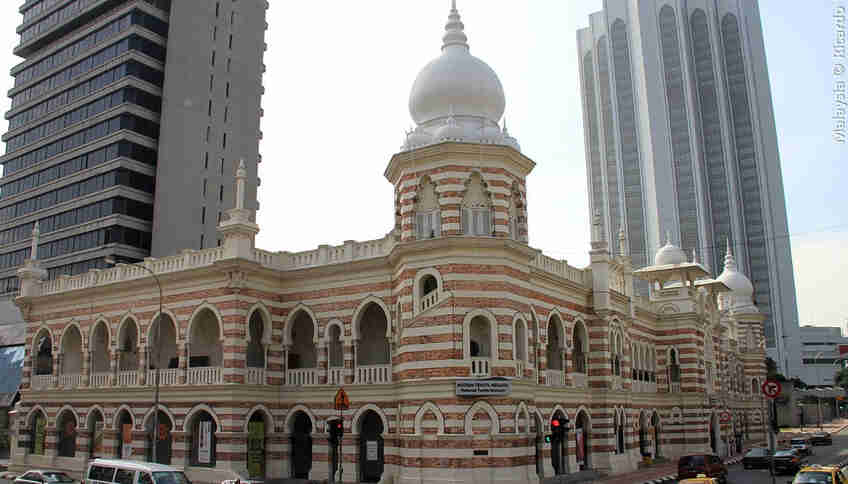
The National Textile Museum presents the entire history of the development of multicultural Malaysia. Various samples of fabrics, patterns, and styles of traditional clothing from the most ancient times to the present day are collected here. You will be able to learn what outfits were worn by different social classes and various ethnic groups, and which fabrics and patterns indicated social differences among people.
The history of the production of many types of fabric, how exquisite designs were achieved on material in ancient times, and what was used and how textiles were dyed in all the colors of the rainbow - you will learn about all this at the textile museum.
There are 4 exhibitions here in total: Pohon Budi presents the history of the textile industry from prehistoric times, while Pelangi reflects the national characteristics of the clothing of ethnic tribes. The Teluk Berantai Gallery tells about the history and technique of producing songket - a woven symbol of Malaysia and Indonesia, which is still often made by hand on special looms. And the Ratna Sari Gallery contains thousands of ornaments, brooches, hairpins, and pins characteristic of various regions of the country.
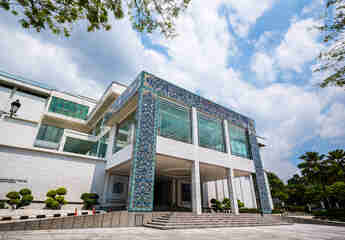
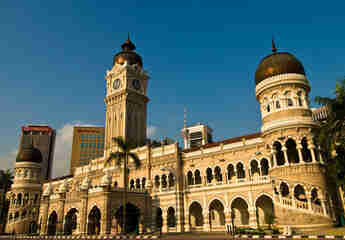
It is also worth noting the incredibly beautiful building that houses the textile museum. It was built in 1896 and is a magnificent example of Neo-Moorish architecture - a light, airy structure with numerous decorative arches, towers, and spires.