About Sochi
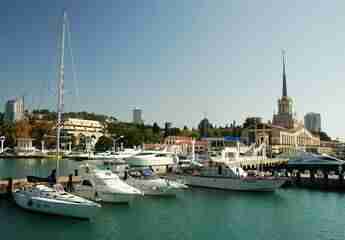
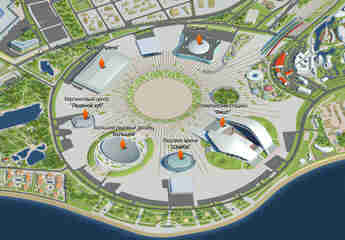
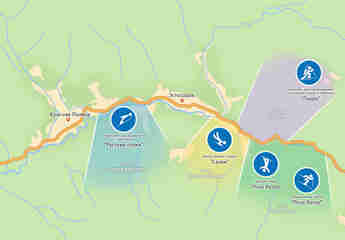
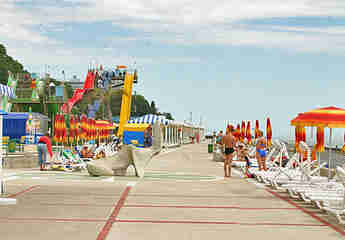
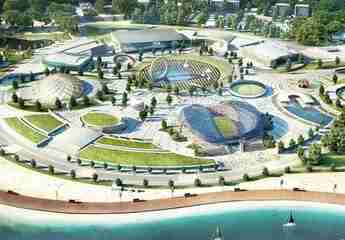
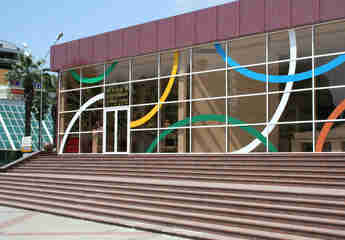
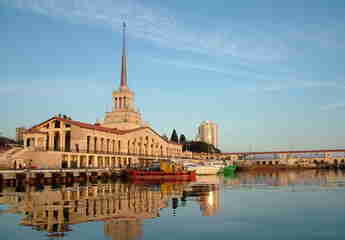
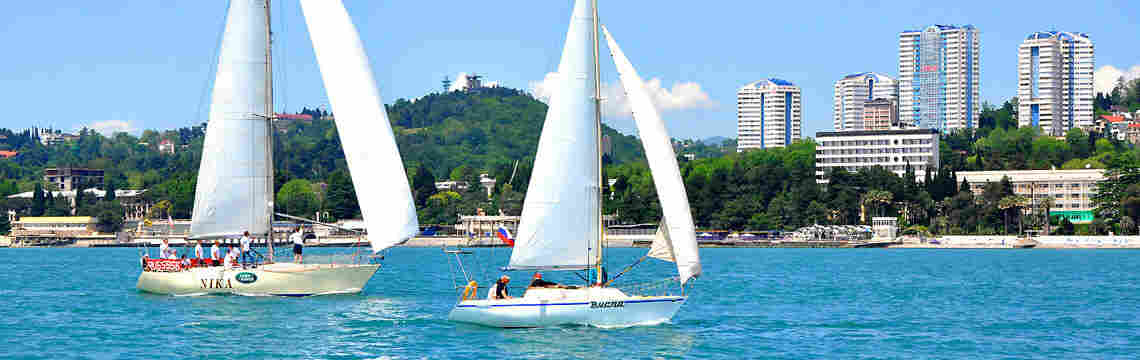
The best thing about Sochi is its nature. This narrow strip of city stretches between a gentle sea and picturesque cliffs, surrounded by relic forests and crystal-clear mountain rivers. A wonderful climate and stunning scenery, healing springs and fresh air, delicious food, and welcoming locals have been attracting tourists from all over the country for more than a century. After the XXII Winter Olympics held here in 2014, interest in Sochi only grew. People now come not only to swim and sunbathe, but also to wander among the fantastically beautiful stadiums and arenas left behind after the Olympics.
A Bit of History
The first people settled on the territory of present-day Sochi as far back as the Lower Paleolithic, about 400,000 years ago. These lands were not deserted either in antiquity or in the Middle Ages, but they did not have any special cultural or historical significance.
Everything changed in the second half of the 16th century, when the Caucasus became an arena of struggle between Russia, Turkey, and Persia. After many military conflicts, most of the eastern Black Sea coast passed to Russia in 1829. A line of coastal fortifications was soon established here. The history of modern Sochi is counted from the founding of Fort Alexandria on April 21, 1838.
The first summer houses appeared here in the early 1870s. In 1898, a special commission studied the coast's natural wealth and confirmed that superb climatic and spa resorts could be established here. That widely publicized information, together with the construction of a road, led to active tourism development in Sochi.
However, it only received city status in 1917. At the same time, former holiday settlements, estates, and manors were added to its territory. By the 1930s, resort and sanatorium construction had reached colossal proportions. During World War II, hospitals were set up here that restored the health of more than 300,000 soldiers and officers.
After the war, Sochi became the main resort city of the USSR. In 1966, a special program for settling the Black Sea coast was adopted, under which residents of all the Soviet republics moved to the city. Today, Greater Sochi is the largest tourist, transport, and economic center of southern Russia.
Important to Know:
– January 1 – New Year's Day (the New Year holiday break usually lasts 7–10 days)
– January 7 – Christmas
– February 23 – Defender of the Fatherland Day
– March 8 – International Women's Day
– May 1 – Spring and Labor Day
– May 9 – Victory Day
– June 12 – Russia Day
– November 4 – National Unity Day
– November 21 – City Day
Independent Trip to Sochi
How to Get from Sochi Airport to the City
Sochi Airport is located 30 km from the city center, in the Adler district. There is a bus stop outside the arrivals hall. Buses Nos. 105, 131, and 135 run every 15–30 minutes. Travel time and fare depend on distance and average about 60 rubles. Lastochka Aeroexpress leaves the airport 4–5 times a day, and its schedule changes from time to time. Fare – 350 rubles, travel time – about 50 minutes.
Getting Around Sochi
Sochi's transport system is based on buses and minibuses. Ticket prices are 22–26 rubles on routes numbered 1–99. Fares on suburban routes (from No. 100) depend on distance. Because the city stretches so far along the coast, electric trains are also used as urban transport, passing through all four districts of Greater Sochi. Less typical modes of transport, such as funiculars and cable cars, also operate here.
Mobile Connection and Internet in Sochi
Wi-Fi is available in many cafes, restaurants, shopping centers, and other public places. SIM cards from major operators – MTS, Beeline, Megafon, and Tele2 – can be bought in numerous mobile phone shops for 150–500 rubles.
Shopping in Sochi
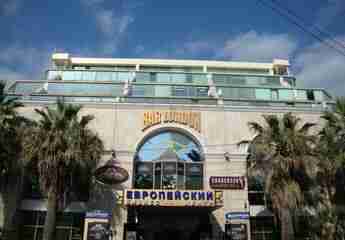
It is probably not worth going to Sochi specifically for shopping, but there are plenty of stores here. Mostly these are large shopping centers with popular chain brands, or small shops selling items from unbranded makers. Along the coast there are many little souvenir stalls selling, among other things, shell, mother-of-pearl, and juniper crafts. When choosing gifts for family and friends, look out for chestnut honey and tea from the Dagomys factory.
Local Cuisine
Alongside Russian and European cuisine, Sochi also offers many traditional dishes of the peoples of the Caucasus: shashlik, lyulya kebab, chebureki, khinkali, hot soups such as khash and khashlama, the sweet treat churchkhela (walnuts strung on a thread and coated in grape juice glaze), as well as fish and seafood dishes.