About Riga
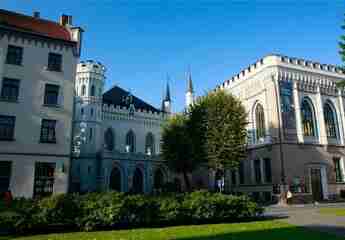
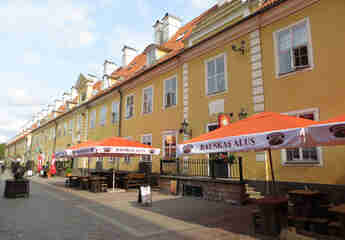
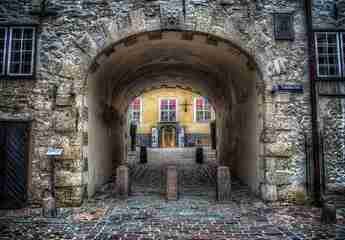
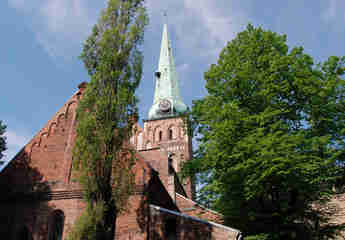
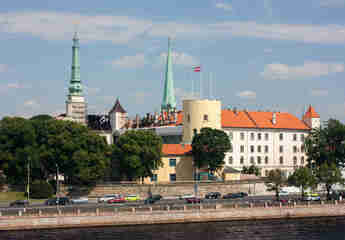
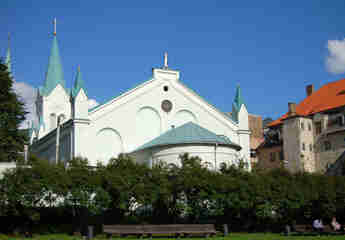
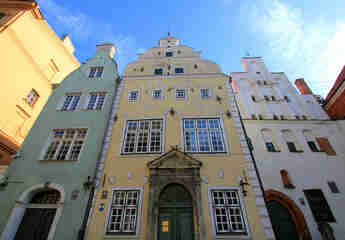
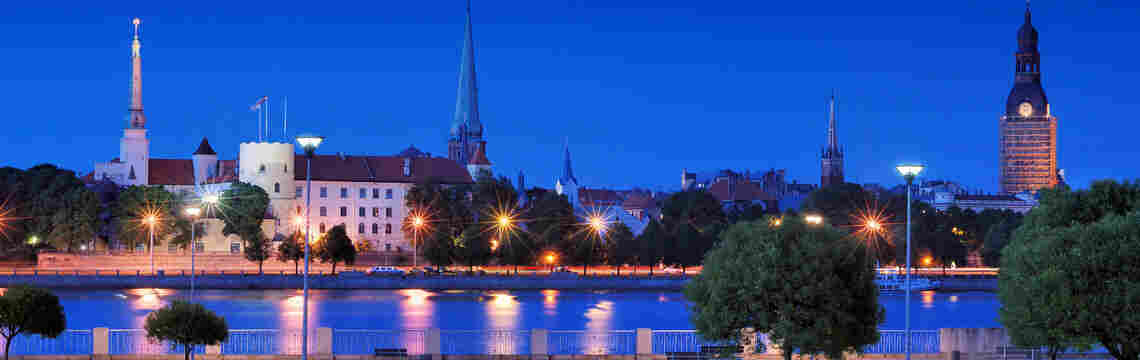
Beautiful Riga wins you over from the very first minutes: a wide river, green parks, and picturesque streets – a perfect setting for walking. The city’s eventful history can be traced through its architecture, from the monumental Riga Cathedral and medieval landmarks to Jugendstil masterpieces and modern buildings.
Today Riga is a bustling city that pulses with life day and night, and there is always something to do. Music festivals, concerts, exhibitions of contemporary art and classical painting, and much more take place here constantly. In 2014 Riga proudly held the title of European Capital of Culture, meaning even more exciting and vibrant events.
A Brief History
Finno-Ugric and Baltic tribes had lived on the site of present-day Riga since ancient times, but the city was founded by knights of the Teutonic Order at the end of the 12th century: to bring Christianity to the pagans they needed a secure stronghold. In 1199 construction of the Riga Cathedral began here, and stone walls were soon erected around the city. Moreover, the Pope granted absolution of sins to anyone who resettled in Riga.
Its geographical position – at the crossroads of major overland routes with access to the Baltic Sea – proved extremely advantageous for both trade and warfare. It not only made Riga one of the prosperous merchant cities of the Hanseatic League and a major Baltic port, but also the target of constant attacks. In 1581 the city was taken by the Polish–Lithuanian Commonwealth, in 1621 by Sweden, and in 1711 by the Russian Empire.
In 1861 the arrival of the railway made Riga an even more important trade and transport hub, and industrial growth reinforced the city’s prosperity. A construction boom followed, and stunning Jugendstil buildings appeared in the centre.
During the First World War the front line ran right through the city, devastating and impoverishing it. After Latvia declared independence in 1918, Riga became the capital but could not fully recover from the war. In 1940 Latvia was incorporated into the Soviet Union and drawn into its industrialisation programme.
The Second World War damaged the city even more severely, yet enormous resources were poured into its reconstruction: money and people flooded in. Industry developed rapidly – from light manufacturing and food processing to defence. The population grew from 400,000 in 1950 to 900,000 by 1990. In 1991 Riga once again became the capital of an independent Latvia and its economic, political, and cultural centre.
Good to Know
– 1 January – New Year’s Day
– Good Friday, Easter, and Easter Monday
– 1 May – Spring Festival / Latvian Constitutional Assembly Day
– 4 May – Latvian Independence Declaration Day
– 50th day after Easter – Whit Sunday
– 23–24 June – Līgo and Jāņi (Midsummer)
– 11 November – Lāčplēsis Day (Remembrance of fallen heroes)
– 18 November – Proclamation Day of the Republic of Latvia
– 25 and 26 December – Christmas
An Independent Trip to Riga
Getting from Riga Airport to the City
Riga International Airport (Rīgas starptautiskā autoosta) is 13 km from the city. Buses 22 and 241 run every 10–30 minutes; the journey to the centre takes about half an hour. You can buy a single ticket from the driver (€2) or a 24-hour pass (€5). airBaltic Airport Express minibuses reach the city centre in 20 minutes, making several stops at popular hotels. The fare is €5.
Riga Public Transport
Riga has a well-developed surface public transport network – buses, trams, and trolleybuses. You can pay for any of them with an e-ticket, which simply needs to be tapped on a reader. A single-ride ticket costs €1.15 from the driver. At ticket offices and machines, the same ticket costs €0.70; a 4-ride pass is €2.85, and a 10-ride pass is €10.90. There are also 5-day tickets: €8.50 for one mode of transport, €10 for two, and €13.50 for three. A 24-hour all-transport pass costs €5; a 3-day pass is €10.
Mobile Phone and Internet in Latvia
Free Wi-Fi is widely available in cafés, restaurants, shopping centres, bus stations, and so on. By purchasing a SIM card from a local carrier, you can add packages for cheap calls, free texts, or affordable mobile data. Prepaid SIM cards (Okarte, Amigo, Zelta zivtiņa) cost €3–10 and are sold at newspaper kiosks, post offices, petrol stations, and shops.
Shopping in Riga
Popular souvenirs from Riga include the famous Black Balsam (Rīgas Melnais balzams), Laima chocolates, and Dzintars cosmetics. Visitors also buy handcrafted amber, ceramic, wood, and linen items. Clothes and shoes from popular European brands can be found on Brīvības and Terbatas streets.
Shops are usually open from 10:00 to 19:00; Sundays are days off. Supermarkets are open from 8:00 to 22:00–23:00. Sales here last all winter – from late December to early March. Riga also has plenty of outlet stores where last-season items are sold at very affordable prices.
Local Cuisine
Latvian cuisine makes generous use of fish, especially herring – pickled, fried, braised, or smoked. Soups are remarkably varied: milk, beetroot, bread, beer, pea, spinach-and-sorrel, rhubarb, and more. Popular mains include pork cutlets, karbonāde (pork fried in breadcrumbs), or klops (steak with onion sauce), served with all sorts of potato side dishes.
Distinctive national dishes include putra (a purée of grains and vegetables with milk or cottage cheese) and putels (a sour pea or oat kissel with soured milk). Also worth mentioning are the various kissels and homemade cheeses, plus unusual desserts such as cold strawberry soup and buberts (semolina pudding with whipped cream and nuts).