Attractions of Beijing
1. The Great Wall of China
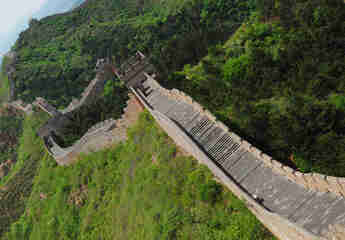
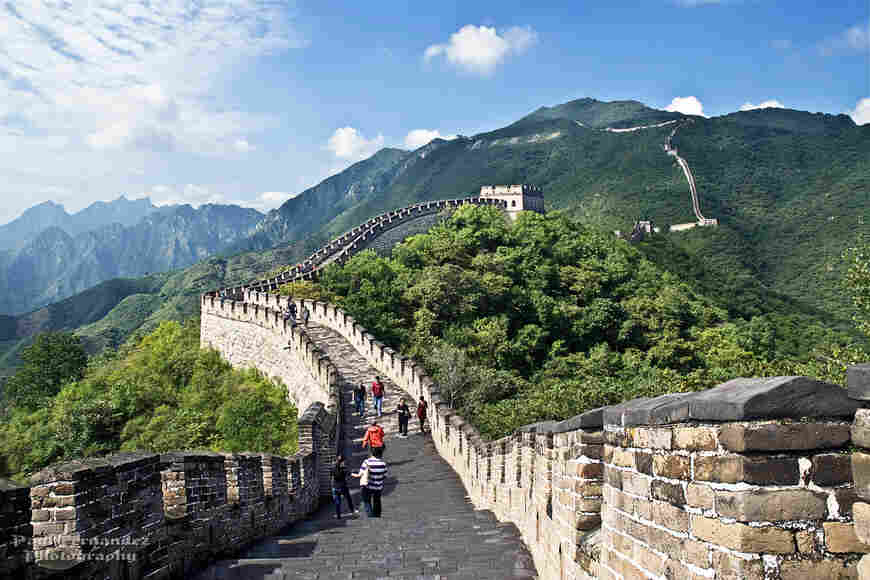
This monumental structure was built over the course of 2,700 years, and today the wall stretches for thousands of kilometres, marking the borders of Ancient China. One of its sections – near Badaling Mountain – is located not far from Beijing, so you can easily reach the Great Wall by public bus or taxi. While you're there, be sure to visit the Ming Dynasty Tombs – the burial site of China's rulers from 1368 to 1644.
Flickr, D200-PAUL -- Back Home
2. The Forbidden City
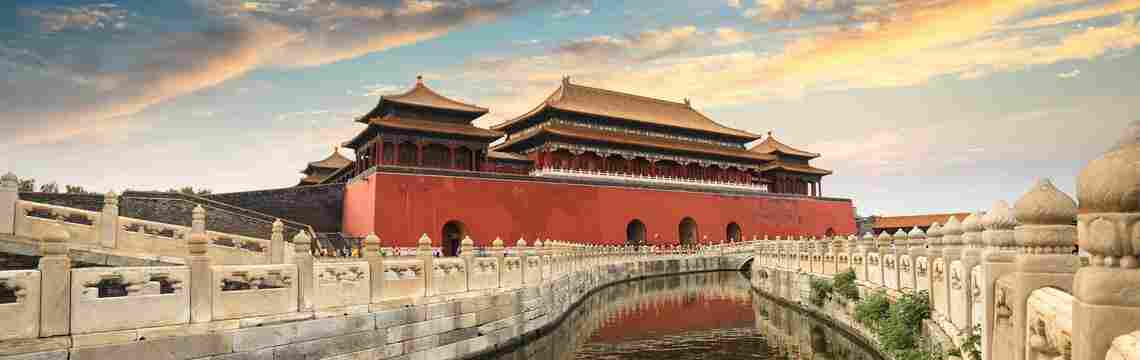
A vast palace complex unlike anything else in the world! It is so enormous that locals nicknamed it a "city." It was called "forbidden" because ordinary people were once barred from entering – only emperors and their inner circle lived here. Construction began in the early 15th century, yet even then the architects designed a sophisticated heating and ventilation system, ice cellars, and an ingenious alarm system that could quickly alert the palace to fires or enemy invasions.

Flickr, kingdomany
3. Mausoleum of Mao Zedong
Much like Lenin's Mausoleum in Moscow, the Chairman Mao Memorial Hall stands in the very heart of Beijing – on Tiananmen Square. Mao Zedong is known as one of the founders of the Communist Party of China and the country's long-time leader. Despite an immense cult of personality, his era is remembered by many Chinese as a period of great national transformation. Perhaps that is why his mausoleum is so grand and imposing.

Flickr, VicWild
4. The Temple of Heaven
One of Beijing's iconic symbols and the only circular temple in the city. In Chinese mythology, the circle represents the heavens, which is why this particular shape was chosen. The temple was built in 1420 – around the same time as the Forbidden City. Every year, emperors would come here to offer their prayers to Heaven. It was believed that only the true sons of heaven – the emperors – could summon rain, wind, heat, or cold at just the right time for a bountiful harvest.

Flickr, Rosanna Leung
5. Tiananmen Square
This is not just one of the largest public squares in the world – it is the heart of the Chinese nation. Situated in central Beijing, the square has witnessed every major event in the city's history. Here you'll find the Mausoleum of Mao Zedong, the Great Hall of the People, the National Centre for the Performing Arts, and two museums of Chinese history. The Monument to the People's Heroes stands at its centre, and to the south you can see two towers – the Front Gate, remnants of the ancient city wall.

Flickr, 湖光虾影
6. Wangfujing Street
If you're craving a taste of Chinese exotica, this is the place! Fried scorpions, dried cockroaches, candied grasshoppers, and all manner of Asian street food are on full display here. These "delicacies" are sold at the Donghuamen Night Market, which stays open well into the night. But Wangfujing is famous for more than just its food market. It is considered the oldest street in Beijing, laid out during the Ming Dynasty – nearly 800 years ago! Today it has become the city's premier shopping strip, home to the largest department stores and the biggest bookshops.

Flickr, grrlTravels
7. The Summer Palace (Yiheyuan)
This magnificent palace-and-park complex on the outskirts of Beijing is a UNESCO World Heritage Site. Its creation began in the mid-19th century when Emperor Qianlong ordered the excavation of an artificial lake. Over time, the gardens around it expanded and were adorned with new structures – the Long Corridor along the shore, which made it into the Guinness Book of Records, then the Marble Boat so beloved by Empress Dowager Cixi, along with countless other pavilions, statues, and sculptures.

Flickr, Silver Canvas Photography
8. CCTV Headquarters
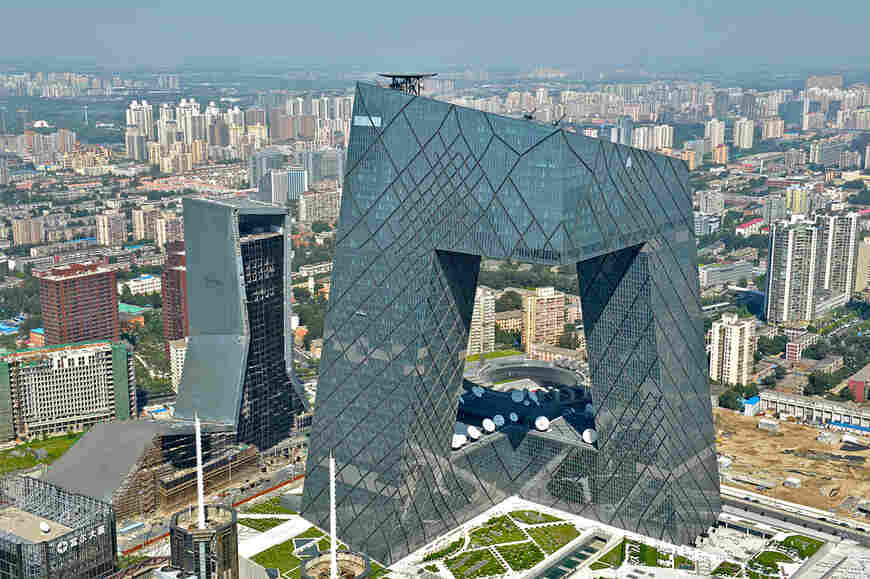
Arguably the most striking building in Beijing, completed in the early 2000s. Locals playfully nicknamed this skyscraper "the trousers," yet its construction is nothing short of an engineering feat. First, because an extremely unconventional shape was chosen for an office tower, and second, because seismologists considered the site one of the least suitable for such a structure. Nevertheless, the building was finished and has since become one of Beijing's most recognisable landmarks.
Flickr, cowboy6688
9. National Centre for the Performing Arts
The Grand Opera House is yet another striking and memorable symbol of the city. This futuristic elliptical building of glass and metal appeared in Beijing in 2007, designed by a French architect. Locals were slow to warm up to such a modernist addition in the historic city centre, but today the theatre draws audiences of thousands and features on countless postcards and photographs of Beijing.

Flickr, mbfirefly
10. Beijing National Stadium
Even someone with no interest in sports will instantly recognise this as a world-class Olympic venue. Indeed, the opening and closing ceremonies of the 2008 Beijing Games were held right here. Thanks to its distinctive design, the stadium became known across the globe as the "Bird's Nest." Today it continues to host sporting events of both national and international scale.

theartchoice.com